Hey there, fellow parents and creative souls! Are you constantly looking for unique ways to bond with your family, escape the endless screen time, and truly create lasting memories together?
I know I am, and let me tell you, I recently stumbled upon an absolute gem of an activity that had my whole crew buzzing with excitement long after we left.
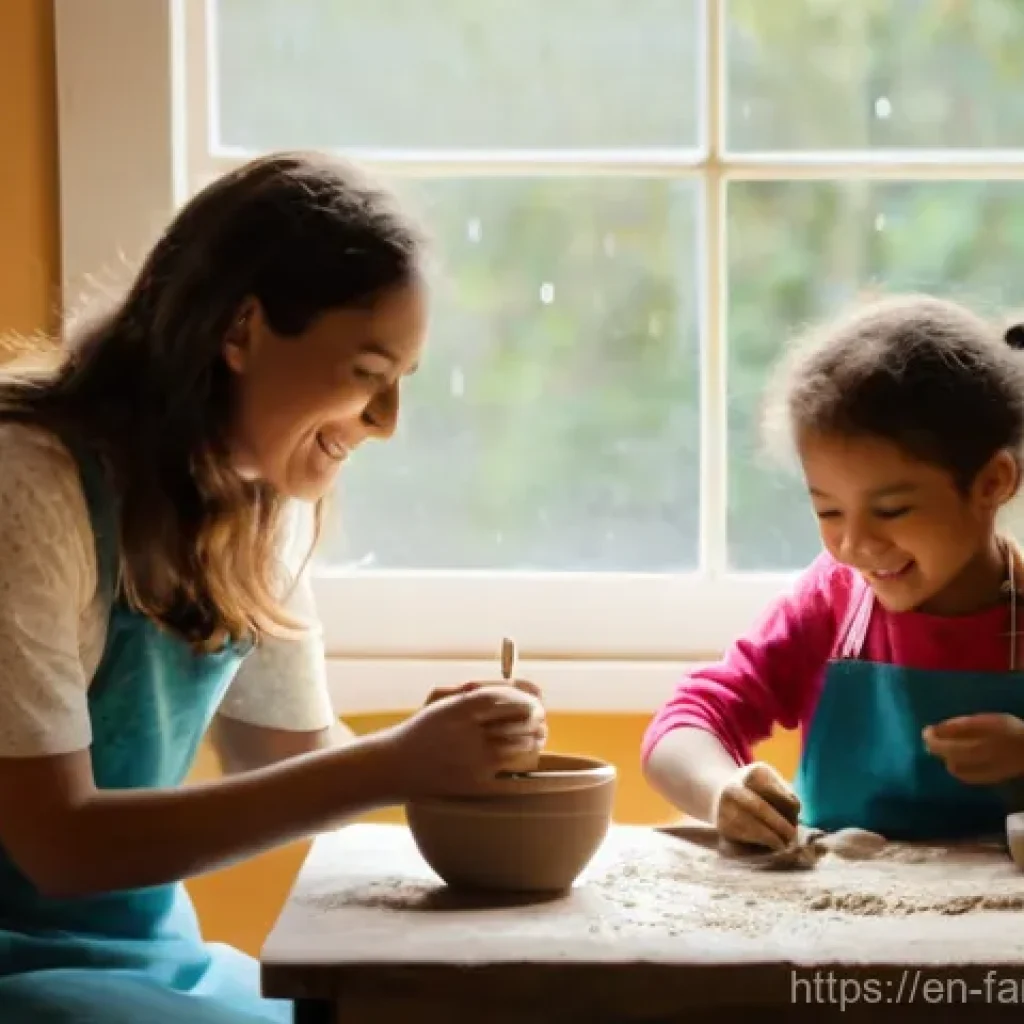
Imagine getting your hands delightfully messy, laughing together, and crafting something truly special – a tangible memory that you can display proudly at home.
If you’re ready to ditch the ordinary and dive into an experience that truly sparks joy and creativity, you’re in for a treat! Let’s explore this wonderful world of family pottery further.
Unleashing Creativity, One Clay Blob at a Time
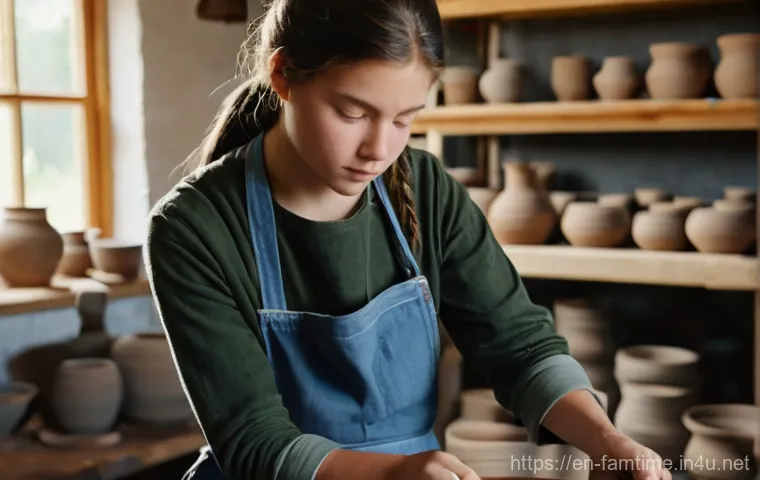
There’s just something magical about getting your hands dirty, isn’t there? Especially when it’s with your kids, diving headfirst into a world where imagination takes tangible form. I’ve always been on the lookout for activities that pull my family away from the glowing screens and into genuine connection, and let me tell you, pottery hit the jackpot. It’s not just about making a cute little mug or a wobbly vase; it’s about the entire experience of molding, shaping, and seeing a lump of clay transform into something uniquely yours. The sheer joy on my youngest’s face when he realized he could turn a simple ball of mud into a pinch pot, just like that, was absolutely priceless. It’s a journey of discovery for every age, where mistakes are just opportunities to squish and start anew, fostering a wonderful sense of freedom that you just don’t get with many other structured activities. From the moment we walked into that vibrant studio, the air hummed with a different kind of energy, one of pure creative possibility, and honestly, my whole family thrived in it.
More Than Just a Craft: Building Bonds Through Art
I genuinely believe that shared creative endeavors are one of the most powerful tools for family bonding, and pottery is a fantastic example. Sitting side-by-side, totally immersed in the process, naturally sparks conversation and laughter. I remember watching my eldest, usually glued to his headphones, actually *asking* for advice on how to smooth out his coil pot, and my youngest chiming in with ideas. It was a beautiful moment of collaboration, communication, and mutual respect that felt so much richer than any game night. Pottery fosters a unique environment where parents aren’t just “teaching” but are learning and experimenting right alongside their children, creating a sense of equality and shared adventure. These aren’t just art projects; they’re memory-makers, cementing those special connections that often get lost in the daily grind. It’s truly a calm space in an often chaotic world, allowing everyone to slow down and just *be* together.
Discovering Hidden Talents and Boosting Confidence
One of the most rewarding aspects I’ve personally witnessed is the incredible boost in confidence that pottery provides. For kids, especially, having control over their project and seeing immediate results, even if they’re not “perfect,” is hugely empowering. My middle child, who tends to be a bit shy about trying new things, absolutely beamed when her little hand-built sculpture came out of the kiln, fully glazed and shiny. The forgiving nature of clay means that mistakes can simply be rolled back into a ball and restarted, taking away the pressure of perfection. This process teaches resilience and persistence, vital life skills wrapped up in a fun, tactile experience. When you’re making something from scratch with your own hands, there’s an undeniable sense of accomplishment that builds self-esteem in a way that passive entertainment simply can’t. Plus, seeing everyone’s unique creations displayed at home is a constant reminder of our shared, joyful experience.
Beyond the Wheel: Hand-Building Adventures for All Ages
When most people think of pottery, they often picture someone gracefully spinning clay on a potter’s wheel. And while wheel throwing is incredibly cool (we’ll get to that!), it’s not the only way to get into ceramics, especially with a family. In fact, for younger kids or even adults who prefer a more relaxed pace, hand-building techniques are an absolute game-changer. These methods require minimal tools and can be incredibly accessible, even allowing for some fantastic at-home projects if you’re using air-dry clay. I’ve found that starting with hand-building really helps everyone get a feel for the clay itself – its texture, its responsiveness, and how it transforms under their hands. My kids loved experimenting with different techniques, each one opening up new possibilities for what they could create. It’s a wonderful way to ease into the craft, building fundamental skills before potentially tackling the spinning challenge of the wheel.
Pinch Pots: The Perfect Starting Point
If you’re looking for the easiest entry point into pottery, pinch pots are definitely it. Trust me, I’ve seen even the tiniest hands create something recognizable and beautiful. You simply take a ball of clay, press your thumb into the center, and then gently pinch and rotate to expand the walls, forming a small bowl or cup. My kids thought it was hilarious how quickly a lump of clay could become a vessel, and they were so proud of their little wobbly creations. It’s a fantastic way to develop fine motor skills and hand-eye coordination without any complex instructions. We used this technique to make small dishes for trinkets, little animal figures, and even tiny “fairy houses.” It’s incredibly satisfying, and because it’s so direct, it really helps build confidence for whatever comes next.
Coiling and Slab Building: Expanding Horizons
Once you’ve mastered the pinch pot (or even if you haven’t!), coiling and slab building open up a whole new world of possibilities. Coiling involves rolling clay into snake-like ropes and then stacking them to build up forms, smoothing the seams as you go. It’s a bit like playing with Play-Doh on a grander scale! My daughter loved the methodical process of rolling out coils and watching her vase grow taller, layer by layer. Slab building, on the other hand, is all about flattening clay into sheets (slabs) and then cutting and joining them to create geometric or sculptural forms. We’ve made everything from intricate boxes to quirky wall tiles using this method. These techniques truly let your imagination run wild, allowing for more complex structures and designs than a simple pinch pot, and they’re still very accessible for families to do together. It’s amazing to see how quickly everyone picks up on these methods and starts conceptualizing their own unique pieces.
The Therapeutic Touch of Clay: Calming the Chaos
Let’s be real, modern family life can be a whirlwind of schedules, digital distractions, and general chaos. That’s why I’m always searching for activities that offer a genuine escape, a moment of calm where everyone can truly unwind. Pottery, surprisingly, has been one of the most effective. There’s something inherently meditative about working with clay; the cool, malleable material under your fingertips, the focused concentration it demands, and the rhythmic movements, especially on the wheel. I’ve noticed a distinct shift in my kids’ demeanor when we’re in the studio – the usual sibling squabbles melt away, replaced by a quiet, shared purpose. It’s not just a creative outlet; it’s a mindful practice that helps to reduce stress and enhance focus for both children and adults alike. It feels like hitting a reset button, allowing us to connect with ourselves and each other in a deeply meaningful way.
Focus and Patience: Lessons in Every Lump
I used to think my kids had the attention span of a goldfish, but pottery has proven me wonderfully wrong. Working with clay demands focus and patience, especially when you’re trying to center a lump on the wheel or meticulously smooth out a coiled edge. There’s no rushing the process; the clay dictates its own pace, teaching a valuable lesson in slowing down and appreciating each step. I’ve watched my normally energetic son sit engrossed for surprisingly long periods, carefully refining his piece. It’s an exercise in perseverance, too. Sometimes a pot collapses, or a coil doesn’t stick, and you have to learn to embrace these “mistakes” as part of the learning journey, rebuilding and trying again. This gentle challenge, coupled with the tactile nature of the clay, creates an environment where patience naturally blossoms, a skill that extends far beyond the studio walls.
Sensory Stimulation and Emotional Expression
For children, pottery is a fantastic sensory experience. The feel of the wet, cool clay, the subtle earthy scent, and the visual transformation of a shapeless blob into a form – it’s all incredibly stimulating in a natural, wholesome way. Beyond the senses, clay offers a powerful avenue for emotional expression. Kids (and adults!) can literally mold their feelings into form. I’ve seen playful, whimsical pieces that clearly reflect boundless joy, and more abstract, perhaps even slightly frustrated, creations that tell their own story. It’s a non-verbal language that allows for a release of pent-up energy and emotions, fostering emotional literacy and well-being. It’s a wonderful alternative to screen time, engaging different parts of the brain and providing a therapeutic escape from daily pressures, leaving everyone feeling refreshed and a little more grounded.
Navigating the Studio Scene: Finding Your Family’s Perfect Fit
Okay, so you’re probably convinced by now that family pottery is an amazing idea, right? But then the practical questions start swirling: Where do we go? What kind of studio is best? How much does it cost? I totally get it! Finding the right fit for your family can seem a little daunting at first glance. Based on my own experiences and a bit of research, there’s a fantastic variety of options out there, from casual drop-in spots to more structured multi-week courses. It really just depends on what you’re looking for – a one-off fun day, or a deeper dive into learning the craft. Most studios are incredibly welcoming and designed with families in mind, providing all the materials and guidance you’ll need. Just keep in mind that turnaround times for finished, fired pieces can vary, so don’t expect to take your masterpiece home the same day!
Choosing Your Clay Adventure: Walk-ins, Classes, or Memberships?
When it comes to pottery studios, you generally have a few avenues to explore. Many places offer “paint-your-own-pottery” options where you pick a pre-made bisque piece and decorate it, which is super fun and less messy, but it’s not quite the same as making something from scratch. For the full clay experience, look for studios offering hand-building or wheel-throwing classes. Some, like “Third Coast Clay” in the US, operate on a walk-in basis for general pottery painting, while others specialize in structured lessons. You can often find one-time “taster” classes, which are perfect for families wanting to try it out without a big commitment. These typically cover basic techniques like pinch pots or coil building. For those who catch the bug (like my family did!), many studios offer multi-week courses that delve deeper into techniques and even introduce the pottery wheel. And for the truly dedicated, some studios even offer monthly memberships, giving you access to equipment and firing services outside of formal classes.
Understanding the Investment: Costs and What’s Included
Let’s talk brass tacks: what’s this going to cost? Prices for pottery experiences can vary quite a bit, depending on the type of activity, duration, location, and what’s included. A single, one-off class might range from $50-$100 per person in places like the US, Canada, or Australia, often including clay, tools, glazes, and firing for one or two pieces. Multi-week courses, which are great for learning more in-depth skills, can be anywhere from $250-$400 for a block of classes. Private family sessions might be a bit pricier, perhaps $200-$300 for a small group, but offer more personalized attention. Always check what’s included in the price – sometimes firing fees for extra pieces or special glazes might be an additional cost. Air-dry clay projects, if you do them at home, are much more budget-friendly as you only need to buy the clay and paints. It’s a good idea to call ahead or check the studio’s website for their specific pricing structure and what’s covered. My advice? View it as an investment in quality family time and lasting memories, not just a purchase of an object.
| Pottery Activity Type | Best For | What to Expect | Typical Cost (per person) |
|---|---|---|---|
| Hand-Building Class | All ages, especially younger children (4+) and beginners. | Learn pinch, coil, and slab techniques to create sculptures, bowls, or tiles without a wheel. Focus on tactile exploration. | $50 – $90 for a 1.5-2 hour session (includes materials & firing for 1-2 pieces) |
| Wheel Throwing Class | Ages 8+ (or 6+ with strong focus), teens, and adults. | Learn to center clay and “throw” basic forms like bowls or cylinders on a spinning wheel. Requires more coordination. | $60 – $120 for a 2-3 hour session (includes materials & firing for 1-2 pieces) |
| Pottery Painting (Bisque) | All ages, very young children, no experience needed. | Decorate pre-fired ceramic pieces (mugs, plates, figurines) with paint. Less messy, quicker turnaround. | $20 – $40 per piece (plus studio fee) |
| Multi-Week Course | Families looking for deeper learning, ages 8+. | Progressive learning of techniques (hand-building or wheel), often includes more clay and studio time. | $250 – $400 for 4-8 weeks (often includes generous clay allowance & firing) |
From Clay to Keepsake: Cherishing Your Creations
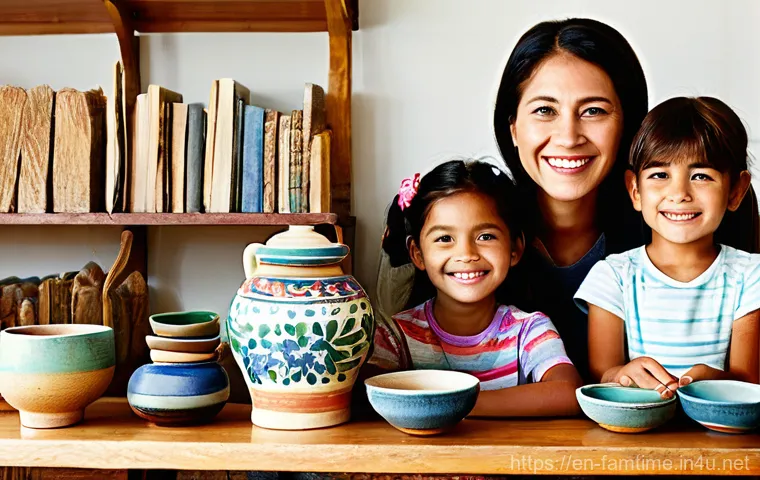
The real magic of pottery, for me, comes at the very end. After the fun, the mess, the focused work, and the patient wait, there’s that moment of anticipation when you pick up your finished pieces. It’s truly thrilling! Seeing the transformation from a soft, shapeless lump of clay to a hardened, colorful, glazed object is incredibly satisfying. These aren’t just random trinkets; they’re tangible memories, little pieces of a shared family adventure that you can hold in your hands and display proudly in your home. Each imperfection tells a story, each unique design reflects a personality, and they become cherished keepsakes that evoke fond memories of laughter and creativity. My kitchen shelves are now a testament to our family’s pottery escapades, and every time I grab a handmade mug for my morning coffee, a smile spreads across my face, recalling the day we made it together.
The Transformative Power of Glaze and Kiln
It’s honestly amazing how a simple, sometimes dull, bisque-fired piece can come alive with glaze and the heat of the kiln. Glazing is like adding a layer of personality and protection to your pottery. My kids love this part, picking out their favorite colors and carefully (or sometimes enthusiastically!) brushing them onto their creations. What’s even cooler is the surprise element – some glazes look totally different before firing, and the heat transforms them into vibrant, shiny, or textured surfaces. The kiln, that magical oven, is what turns soft clay into durable ceramic. It’s a precise process, heating the pieces to incredibly high temperatures, and it’s the final step that solidifies all that hard work into a permanent, display-worthy item. The waiting period for firing can feel like forever, but the reveal is always worth it, making the anticipation part of the fun for everyone.
Displaying Your Masterpieces and Gifting Joy
Once you bring your finished pottery home, the fun isn’t over! These aren’t meant to be hidden away in a cupboard. Displaying your family’s handmade pieces instantly adds character and warmth to your home. We have a dedicated “creativity corner” where my kids’ latest ceramic masterpieces take pride of place – from wonky pencil holders to surprisingly elegant small bowls. Beyond personal enjoyment, these handmade items make the most thoughtful and unique gifts. Imagine giving a grandparent a mug painted by their grandchild, or a friend a small jewelry dish created with love. It’s a personal touch that store-bought items just can’t replicate. My kids get such a kick out of wrapping up their creations for birthdays and holidays, knowing they’re giving a truly one-of-a-kind gift that carries a piece of their heart and effort. It’s a beautiful cycle of creation, sharing, and appreciation.
Embracing the Unexpected: Life Lessons from the Clay
You know, I went into our first family pottery session thinking it would just be a fun way to spend an afternoon. What I didn’t expect was how many subtle, yet profound, life lessons would emerge from those humble lumps of clay. It’s truly incredible how working with your hands, engaging with a natural material, can teach you so much more than just a craft. I’ve seen my children, and even myself, learn about patience, problem-solving, and the beauty of imperfection in ways that a textbook never could. There’s a quiet wisdom in the pottery studio, a space where trying again is always an option, and where the process itself is just as valuable as the finished product. It’s a powerful reminder that life, much like clay, is meant to be molded, shaped, and sometimes, started over with a fresh perspective.
The Art of Imperfection and Resilience
One of the biggest takeaways my family has gained from pottery is the acceptance of imperfection. How many times have we started a project with a rigid idea of how it *should* look, only for the clay to have other plans? Early on, my daughter would get frustrated if her pot wasn’t perfectly symmetrical. But our instructors always emphasized that uniqueness is what makes handmade items special. There’s beauty in the slightly lopsided, the unexpectedly textured, the “perfectly imperfect.” This perspective shift is huge! It teaches resilience – when a piece collapses on the wheel, you don’t give up; you gather the clay, wedge it, and start again. It’s a powerful metaphor for life, isn’t it? That sometimes, despite your best efforts, things don’t go as planned, and that’s okay. You learn, you adapt, and you find a new way forward, often creating something even more interesting than you initially envisioned.
Cultivating Problem-Solving Skills and Mindful Presence
Working with clay is an active exercise in problem-solving. How do I make this wall taller without it collapsing? How do I attach this handle securely? What happens if I use less water? These aren’t questions with a single right answer; they encourage experimentation and critical thinking. My son, who thrives on challenges, loved figuring out these little puzzles, often coming up with surprisingly clever solutions. Beyond problem-solving, pottery demands a mindful presence. You can’t be scrolling through your phone or distracted by other thoughts when your hands are deep in clay. It forces you to be entirely in the moment, focused on the sensation, the form, and the task at hand. This kind of concentrated, sensory engagement is a rare and precious thing in our fast-paced world, offering a genuine antidote to digital overload and promoting a profound sense of calm and well-being.
Wrapping Up Our Clay Journey
Well, friends, that’s a wrap on our deep dive into the wonderful world of family pottery! Honestly, embarking on this creative adventure with my kids has been one of the most rewarding experiences we’ve shared. It’s truly an unexpected gift, offering not just a break from screens but a genuine opportunity to connect, laugh, and learn together. From the first squish of clay to proudly displaying our glazed masterpieces, every step has cemented memories that I know we’ll cherish for years to come. I really hope my personal journey and insights have inspired you to consider dipping your own hands into this incredibly rich and rewarding craft.
Handy Tips for Your Family Pottery Adventure
Here are a few nuggets of wisdom I’ve picked up along the way to help make your family’s pottery experience as smooth and enjoyable as possible:
1. Start Simple and Embrace Hand-Building: Don’t feel pressured to jump straight to the wheel. Pinch pots and coil building are incredibly satisfying starting points, perfect for all ages, and build fundamental skills.
2. Research Your Local Studios: Look for places that specifically offer family-friendly classes or open studio times. Check their websites or call to inquire about age limits, pricing, and what’s included (clay, tools, firing).
3. Dress for a Mess (Seriously!): Clay is wonderfully tactile, but it can be messy! Encourage everyone to wear old clothes or bring an apron. It takes away any stress about getting dirty and lets the creativity flow freely.
4. Patience is Your Best Tool: From the careful shaping of your piece to the waiting period for drying and firing, pottery teaches patience at every turn. Remind your family that the process is just as important, and often more fun, than the final outcome.
5. Celebrate Imperfection: Handmade items are unique precisely because they aren’t factory perfect. Embrace the wobbly lines, the unexpected textures, and the individual quirks. These are the details that tell your family’s story and make your pieces truly special.
Key Takeaways from Our Clay Experience
If there’s one thing I want you to remember about family pottery, it’s this: it’s an incredible vehicle for connection, creativity, and personal growth. It builds confidence, fosters patience, and offers a much-needed escape into mindful, hands-on activity. Investing in experiences like this, where you create tangible memories and learn alongside your loved ones, is truly priceless. So, go on, get your hands dirty, and let the magic of clay transform your family time!
Frequently Asked Questions (FAQ) 📖
Q: Is family pottery really something my entire family, from my toddler to my teen, can genuinely enjoy together, or is it better suited for older kids?
A: Oh, believe me, I had the exact same question when I first looked into it! I was worried my little ones would just make a glorious mess and my teenager would be glued to their phone, but I was so wrong.
What I’ve personally experienced is that pottery studios are incredibly adaptable. Many places offer different types of clay and projects designed for various age groups.
For the younger kids, it’s all about the sensory experience – squishing the clay, making handprints, and just getting wonderfully messy. My toddler absolutely loved that part!
For the older kids and teens, there’s a real sense of accomplishment in creating something with their own hands, whether it’s a functional mug or a quirky sculpture.
I’ve seen studios that even have painting sessions for pre-made bisque, which is perfect for those who want less of the hands-on clay work and more of the artistic expression.
It truly is one of those rare activities where everyone can find their own level of engagement and walk away feeling proud.
Q: What should we expect when we first try family pottery? Is it going to be super messy and complicated, or more of a relaxed, fun experience for first-timers?
A: That’s a totally valid concern, and I can tell you from my own adventures, it’s surprisingly relaxed and incredibly fun! Yes, it can get a little messy – that’s part of the charm, right?
But most studios are set up for it, providing aprons and having a clear-up routine. When my family and I went, the instructors were so patient and fantastic, especially with the beginners (which we all were!).
They usually start with a quick, easy demonstration, then let you dive in. You’re not expected to create a masterpiece on your first try; it’s all about the process, the laughter, and the shared experience.
We started with simple hand-building techniques, which were perfect for all skill levels. Honestly, the biggest “complication” was deciding what color glaze to use for our creations!
Just go in with an open mind and be ready to get your hands dirty, and you’ll have an absolute blast. It’s definitely more about the journey and the joy of creating together than achieving perfection.
Q: Beyond just making a pot or a mug, what are the real, lasting benefits of doing a pottery session with my family?
A: This is my favorite part to talk about, because the benefits truly go so much deeper than just the physical object you take home. For me, it was about genuine connection.
In our screen-heavy world, getting everyone focused on a shared, tactile activity without distractions was priceless. We talked, we laughed, we helped each other, and we problem-solved together when a piece didn’t quite go as planned.
It fosters creativity, patience, and even a bit of resilience! Plus, there’s something incredibly special about creating a tangible memory. Every time I look at the wobbly vase my son made or the handprint plate my daughter painted, it brings back all those warm, fuzzy feelings from our day in the studio.
It’s not just a piece of pottery; it’s a conversation starter, a physical reminder of quality time spent, and a boost to everyone’s confidence knowing they made something unique.
Trust me, these are the moments and memories that truly stick with you.