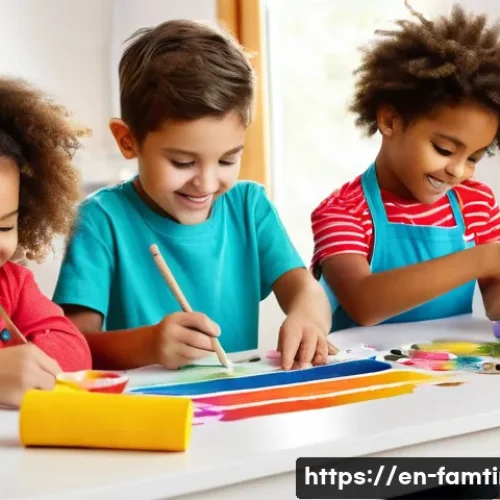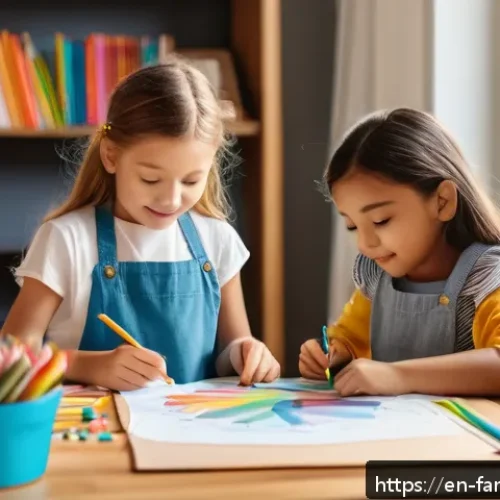
Spending creative art time with your child opens up a world of imagination and learning that goes far beyond just coloring or painting. It’s a chance to bond, explore emotions, and develop fine motor skills in a fun, pressure-free environment.

From experimenting with different materials to encouraging storytelling through artwork, these moments can spark lifelong creativity and confidence. Plus, engaging in art together offers a unique way to understand your child’s perspective and nurture their individuality.
If you’ve been wondering how to make these sessions both enjoyable and meaningful, we’re here to guide you. Let’s dive deeper and discover how to bring out the artist in your little one!
Fostering Creativity Through Diverse Art Materials
Exploring Textures and Tools
Using a variety of materials like clay, fabric scraps, watercolors, or even recycled household items can transform an ordinary art session into a rich sensory adventure.
I’ve noticed that when my child gets to feel different textures or manipulate unusual tools, their enthusiasm skyrockets. It’s not just about the final piece but the joy of discovery—how paintbrushes glide, how clay molds, or how glue sticks hold.
This tactile exploration builds fine motor skills naturally and encourages curiosity. Plus, it’s a perfect way to keep sessions fresh and engaging, avoiding the dreaded “bored” complaints that sometimes pop up during creative play.
Encouraging Mixed-Media Creations
Mixed-media projects invite kids to combine colors, shapes, and textures in unique ways. For example, blending watercolor backgrounds with pencil drawings or layering torn paper and markers can lead to surprising results.
When I tried this with my little one, it was fascinating to see how they made choices independently, experimenting without any pressure to “get it right.” This approach helps children learn problem-solving and decision-making skills while expressing themselves freely.
It also opens the door to endless creativity because there are no strict rules—just imagination taking the lead.
Setting Up a Creative Space
Having a dedicated spot for art activities makes a huge difference. It doesn’t need to be fancy; a simple corner with easy access to supplies encourages spontaneous creativity.
When everything is within reach, kids are more likely to dive in without hesitation. I found that labeling containers and organizing materials not only teaches responsibility but also sparks independence.
Plus, a tidy, welcoming area reduces distractions, letting your child focus on their art and feel proud of their little studio. This setup subtly nurtures a habit of creative expression that can last a lifetime.
Building Emotional Connection Through Art
Art as a Language of Feelings
Kids often struggle to put their emotions into words, but art offers a beautiful alternative. When my child paints a stormy sky or draws a smiling family, it’s like peeking into their inner world.
Encouraging them to talk about their creations helps deepen emotional understanding—for both of us. Sometimes, I simply ask, “What story does this picture tell?” and that opens up heartfelt conversations.
This emotional connection not only strengthens our bond but also supports my child in recognizing and managing feelings healthily.
Using Storytelling to Enrich Art Sessions
Incorporating storytelling transforms art time into a dynamic narrative adventure. After creating a character or scene, my kid loves to invent stories around them, giving life to their artwork.
This blend of imagination and expression boosts language skills and creativity simultaneously. Sometimes, we even act out the stories together, which adds movement and laughter to the mix.
This method turns a quiet art activity into an immersive experience that nurtures both cognitive and emotional development.
Validating Effort Over Outcome
One of the most important lessons I’ve learned is to focus on effort rather than the end result. Praising my child for trying new techniques or simply enjoying the process encourages confidence and resilience.
It’s easy to get caught up in perfect shapes or neat lines, but celebrating creativity and persistence makes art time a safe space. This mindset helps kids embrace mistakes as part of learning, which spills over into other areas of life.
I always remind myself to admire their courage to create, no matter what the picture looks like.
Encouraging Motor Skills Through Art Activities
Fine Motor Development with Simple Crafts
Cutting, gluing, folding, and drawing are all fantastic ways to develop fine motor skills. I’ve seen noticeable improvements in my child’s hand-eye coordination and dexterity after regular engagement with these tasks.
For example, using child-safe scissors to cut shapes or threading beads onto strings requires concentration and control. These activities lay the groundwork for essential skills like writing and self-care.
Plus, they’re fun challenges that keep kids motivated to improve without realizing they’re actually practicing important developmental milestones.
Balancing Guidance and Independence
While helping kids with tricky tasks is tempting, stepping back and allowing them to try on their own fosters independence and problem-solving. I try to offer gentle support only when necessary, which empowers my child to build confidence.
It’s a delicate balance—too much help can feel frustrating, but too little can cause discouragement. Observing their frustration levels and stepping in thoughtfully has helped us find a sweet spot where my child feels challenged but not overwhelmed.
This approach also teaches patience and perseverance.
Incorporating Movement and Coordination
Not all art is done sitting down. Activities like large-scale mural painting or sidewalk chalk drawings invite bigger arm and body movements. These projects help develop gross motor skills and spatial awareness.
I remember when we painted a giant tree on the garage wall; my kid was thrilled to stretch, reach, and move freely while creating. Such experiences balance the fine motor work with physical activity, making art time more dynamic and engaging.
It’s also a great way to burn off energy while still nurturing creativity.
Creating Meaningful Routines for Art Time
Consistent Scheduling for Creative Growth
Setting a regular time for art sessions helps build a comforting routine that children look forward to. I found that having “art hour” a few times a week adds structure without pressure.
This consistency encourages kids to develop habits around creative expression, making it part of their daily life rather than an occasional treat. It also helps parents plan ahead and gather materials, ensuring sessions run smoothly.
Over time, these routines become treasured moments that foster ongoing artistic growth and family bonding.
Flexibility Within Structure
While routines are helpful, keeping flexibility in the process is key. Sometimes, my child wants to abandon a planned project and follow a sudden burst of inspiration, and that’s perfectly fine.
Allowing this freedom keeps art time exciting and authentic. I try to balance planning with openness, providing materials and ideas but letting my child’s imagination lead.

This dynamic prevents art from feeling like a chore and instead makes it a joyful exploration. It also respects their evolving interests and moods.
Reflecting on Art to Enhance Learning
After completing a project, taking time to reflect together can deepen the experience. Asking questions like “What did you enjoy most?” or “What would you try next time?” encourages metacognition—thinking about thinking.
I’ve noticed this reflection sparks new ideas and helps my child set personal goals. It also shows that their opinions matter, boosting self-esteem. This simple practice turns art from a fleeting activity into a meaningful learning journey, enriching both creative and emotional development.
Choosing Age-Appropriate Art Projects
Tailoring Activities to Developmental Stages
Matching art projects to a child’s age and abilities ensures they feel successful and motivated. For toddlers, simple finger painting or collage with large shapes works best, while preschoolers might enjoy basic cutting and pasting or simple drawing prompts.
Older kids can handle more complex tasks like sculpting or mixed-media compositions. I learned that pushing too far ahead can lead to frustration, so observing readiness is crucial.
Age-appropriate challenges nurture confidence and skill-building in a fun way.
Adapting Projects for Individual Interests
Every child has unique preferences and talents, so customizing art activities is important. My kid loves animals, so we often create themed projects around wildlife, which keeps engagement high.
Others might gravitate toward storytelling or colors. I’ve found that offering choices within a project sparks ownership and excitement. This personalization not only respects their individuality but also makes art sessions feel special and relevant.
It’s rewarding to watch a child’s eyes light up when working on something they genuinely care about.
Utilizing Simple Household Items
You don’t need fancy supplies to have meaningful art time. Everyday items like cardboard boxes, buttons, old magazines, or kitchen utensils can become creative tools.
I often raid our recycling bin for materials, and my child loves the challenge of turning “trash” into treasure. This approach also teaches resourcefulness and environmental awareness.
Plus, it keeps costs low and encourages imaginative thinking. Sometimes the simplest materials inspire the most inventive projects.
Tracking Progress and Celebrating Achievements
Keeping an Art Journal or Portfolio
Documenting artwork over time creates a tangible record of growth and creativity. I keep a folder where we store drawings, paintings, and photos of 3D projects.
This collection becomes a source of pride for my child and a way to revisit memories. It also helps me see developmental milestones and artistic evolution clearly.
Reviewing the portfolio together often sparks conversation and motivation for future projects. It’s a wonderful way to honor effort and progress.
Sharing Art with Family and Friends
Displaying or gifting artwork boosts a child’s confidence and sense of accomplishment. We often hang pieces on the fridge or create rotating gallery walls at home.
Occasionally, my kid enjoys sending drawings to grandparents or friends, which adds social connection to the experience. This sharing validates their creativity and encourages continued expression.
It also reminds them that their ideas and feelings are valued by others, strengthening self-worth.
Rewarding Creativity with Positive Reinforcement
Celebrating artistic efforts with verbal praise, stickers, or special art supplies reinforces enthusiasm. I make a point to highlight specific things I notice, like color choices or imaginative details, to show genuine interest.
This targeted feedback feels more meaningful than generic compliments and motivates my child to keep exploring. Small rewards linked to creativity foster a positive association with art and learning.
Over time, this support helps build a resilient, curious artist.
| Aspect | Benefits | Examples |
|---|---|---|
| Varied Materials | Enhances sensory experience, builds motor skills, sparks curiosity | Clay, watercolors, recycled items, fabric |
| Emotional Expression | Improves communication, strengthens parent-child bond, supports emotional health | Storytelling, discussing artwork, painting feelings |
| Motor Skill Development | Boosts hand-eye coordination, fine and gross motor skills | Cutting, threading beads, mural painting |
| Routine & Flexibility | Creates consistency, encourages spontaneous creativity | Scheduled art time, open-ended projects |
| Age-Appropriate Projects | Builds confidence, matches developmental level | Finger painting for toddlers, mixed media for older kids |
| Progress Tracking | Motivates, celebrates growth, encourages reflection | Art journals, portfolios, sharing with family |
글을 마치며
Encouraging creativity through diverse art materials and activities not only nurtures artistic skills but also supports emotional and cognitive development in children. By providing a welcoming environment and valuing the creative process over the outcome, parents can inspire lifelong confidence and curiosity. Making art a regular, joyful part of daily life strengthens bonds and helps children express themselves freely. Ultimately, these experiences lay a strong foundation for growth across many areas beyond just art.
알아두면 쓸모 있는 정보
1. Offering a variety of textures and tools during art time enriches sensory experiences and keeps children engaged longer.
2. Mixed-media projects encourage independent thinking and problem-solving by allowing kids to experiment without fear of mistakes.
3. Establishing a dedicated creative space helps children develop responsibility and fosters a habit of regular artistic expression.
4. Celebrating effort rather than perfection builds resilience and makes children more willing to try new things.
5. Incorporating physical movement into art activities supports both fine and gross motor skills while keeping the experience fun and dynamic.
중요 사항 정리
Creating a supportive environment that balances guidance with independence is key to fostering creativity. Age-appropriate projects tailored to individual interests keep children motivated and confident. Consistency in scheduling art time, paired with flexibility to follow spontaneous inspiration, makes creativity a natural part of daily routines. Valuing the creative process over perfect results encourages emotional expression and helps build problem-solving skills. Lastly, tracking progress and sharing artwork reinforces a child’s sense of achievement and encourages continued growth.
Frequently Asked Questions (FAQ) 📖
Q: How can I keep my child engaged during creative art time without it feeling like a chore?
A: From my experience, the key is to keep things flexible and fun. Instead of focusing on a perfect outcome, let your child explore different materials like clay, fabric scraps, or even recycled items.
I’ve noticed that when kids are free to experiment without pressure, their curiosity naturally takes over. Also, weaving in stories or themes they love can make the session feel more like play than work.
For example, if your child loves animals, you might create a jungle scene together. The goal is to create a relaxed space where creativity flows naturally.
Q: What are some simple ways to encourage storytelling through my child’s artwork?
A: One thing that really worked for me was asking open-ended questions as my child created their art. Instead of asking, “What is this?” I’d say, “Tell me about what’s happening here,” or “Who lives in this picture?” This invites them to build a story around their drawings or paintings.
You can also create a little “art gallery” at home and have your child explain their work to family members. This not only boosts their language skills but also deepens their connection to their creations, making art time more meaningful.
Q: How does spending time on creative art activities help with my child’s development?
A: Beyond the obvious fun factor, engaging in art activities supports a variety of developmental skills. For instance, manipulating paintbrushes, scissors, or glue sticks strengthens fine motor skills, which are essential for writing and daily tasks.
Emotionally, art offers a safe outlet for kids to express feelings they might not yet have words for. I’ve seen firsthand how a child’s confidence grows when they realize their ideas can come to life through art.
Plus, sharing these moments together builds trust and communication, which is invaluable for their overall growth.