Hey there, fellow parents and game enthusiasts! Have you ever found yourselves looking for that perfect activity to truly connect with your kids, something beyond the usual screen time or even those classic board games you already own?
I’ve been there, and let me tell you, I’ve stumbled upon a truly magical way to not only bond but also ignite a spark of creativity and learning that’s absolutely priceless: designing board games together.
It’s more than just a craft project; it’s an adventure in imagination, problem-solving, and quality family time that’s increasingly vital in our fast-paced world.
Think about it – we’re giving our kids a chance to be the creators, not just the consumers, and watching their little minds work through game mechanics and storytelling is just incredible.
This trend of hands-on, interactive learning is exactly what today’s families are craving, offering a fantastic digital detox and fostering essential skills for their future, far beyond what any app can teach.
From my own experience, these moments become cherished memories, teaching everything from critical thinking to patience in the most fun way imaginable.
It’s about building something unique together, turning everyday ideas into an exciting playable reality. Ready to unleash your family’s inner game designers?
Let’s dive into all the fantastic details.Hey there, fellow parents and game enthusiasts! Have you ever found yourselves looking for that perfect activity to truly connect with your kids, something beyond the usual screen time or even those classic board games you already own?
I’ve been there, and let me tell you, I’ve stumbled upon a truly magical way to not only bond but also ignite a spark of creativity and learning that’s absolutely priceless: designing board games together.
It’s more than just a craft project; it’s an adventure in imagination, problem-solving, and quality family time that’s increasingly vital in our fast-paced world.
Think about it – we’re giving our kids a chance to be the creators, not just the consumers, and watching their little minds work through game mechanics and storytelling is just incredible.
This trend of hands-on, interactive learning is exactly what today’s families are craving, offering a fantastic digital detox and fostering essential skills for their future, far beyond what any app can teach.
From my own experience, these moments become cherished memories, teaching everything from critical thinking to patience in the most fun way imaginable.
It’s about building something unique together, turning everyday ideas into an exciting playable reality. Ready to unleash your family’s inner game designers?
Let’s dive into all the fantastic details.
Unlocking Creativity: The Magic of Collaborative Game Design
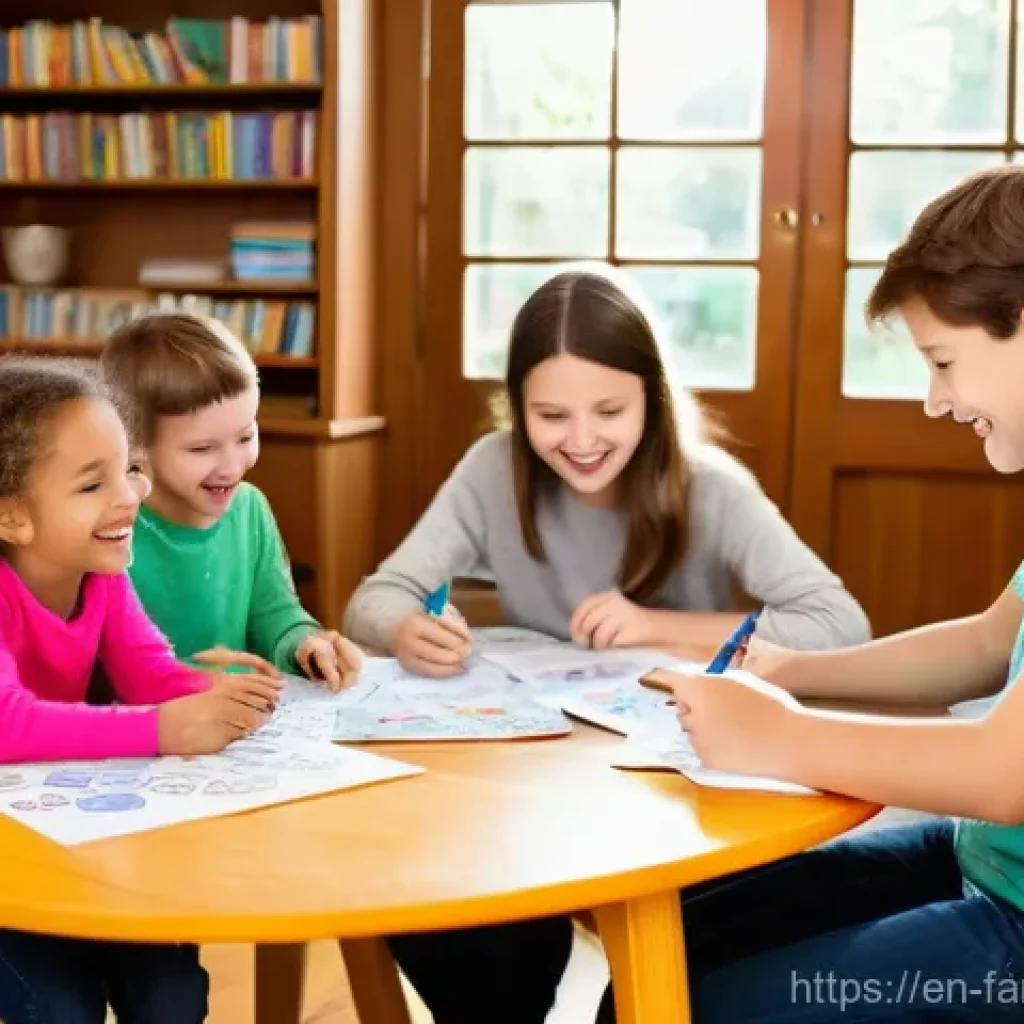
There’s something truly special that happens when you sit down with your kids, not just to play a game, but to *create* one together. It’s an explosion of imagination, a true meeting of minds where their wildest ideas start to take shape. I remember one afternoon, my daughter, Lily, who’s usually glued to her tablet, suddenly piped up with an idea for a game involving flying unicorns and grumpy goblins. Instead of dismissing it as another fleeting thought, we grabbed some paper and just started sketching. What followed was hours of laughter and focused teamwork, something I hadn’t seen in a while. This isn’t just about making a game; it’s about fostering an environment where every idea is welcome, every suggestion is considered, and every little artist feels like a vital part of something bigger. It builds confidence in a way that pre-packaged toys simply can’t. You’re essentially giving them a blank canvas and saying, “Go wild! What world do you want to build today?” And trust me, their worlds are far more vibrant and imaginative than anything an adult could conjure alone. Seeing their eyes light up as a concept solidifies into a playable element? Absolutely priceless.
Sparking Imagination in Little Ones
Kids are natural storytellers, aren’t they? Every stick is a sword, every blanket fort a castle. Game design taps directly into that innate ability. When we started designing, I noticed how quickly my son, Max, transitioned from just playing with toys to thinking about *how* a toy could become a game piece, or what rules would make his LEGO creations interact in a new way. It’s like watching a lightbulb go off. They’re not just imagining characters; they’re imagining entire systems, challenges, and rewards. This process helps them develop abstract thinking and problem-solving skills without even realizing they’re learning. We’ve had some hilarious discussions about why a dragon needs seven heads or why only pink unicorns can fly over the “lava pit of doom.” These conversations are pure magic, revealing the incredible depth of their little minds and pushing them to articulate their creative vision in a tangible way. It’s a beautiful thing to witness firsthand.
The Joy of Building Worlds Together
Think about the sheer joy of seeing something you’ve envisioned come to life. For kids, this is amplified tenfold when they’ve built it themselves, with their favorite grown-up by their side. I’ve found that the collaborative aspect is key. It’s not about me telling them what to do; it’s about us brainstorming, negotiating, and compromising to create something truly unique. We take turns drawing game boards, cutting out character pieces, and even writing funny descriptions for action cards. This shared experience creates bonds that go way beyond the tabletop. It’s about mutual respect for ideas, patience when things don’t quite work out, and the thrill of a shared accomplishment. The memories we’ve made huddled over a makeshift game board, debating the merits of a “skip a turn” card versus a “draw two” card, are some of my most cherished family moments. It’s a wonderful way to teach them that great things are often built together, not in isolation.
Beyond the Screen: Why Analog Play Still Reigns Supreme
In a world saturated with screens, it’s easy for us parents to feel like we’re constantly battling algorithms and glowing rectangles for our kids’ attention. And while I’m all for embracing technology where it makes sense, there’s an undeniable charm and depth to analog play that simply can’t be replicated digitally. When we design board games, we’re not just stepping away from the screen; we’re stepping *into* a tactile, hands-on experience that engages different parts of the brain. The feel of cardstock, the smell of markers, the physical act of moving pieces – these sensory inputs are so crucial for development. Plus, there’s no “reset” button if something goes wrong; kids learn to problem-solve in real-time, adapting and iterating in a way that instant digital gratification often prevents. I’ve noticed a significant difference in their focus and patience during these analog sessions compared to their screen time, which is often fragmented and overstimulating. It’s like a breath of fresh air for their developing minds and ours too!
Reclaiming Family Time, One Die Roll at a Time
Let’s be honest, quality family time often feels like a rare commodity these days. Between school, work, extracurriculars, and the ever-present allure of individual devices, finding moments where everyone is truly engaged and interacting can be a challenge. Designing a board game changes that dynamic entirely. It’s a shared project that requires everyone’s participation, pulling them away from their separate worlds and into a common creative space. We’ve established “Game Design Sundays” in our house, and it’s become a sacred ritual. There’s no pressure, just an open invitation to come together, sip some hot cocoa, and contribute to our latest board game masterpiece. These are the moments when real conversations happen, where siblings learn to collaborate instead of compete, and where parents get a genuine glimpse into their children’s imaginations. It’s a powerful way to strengthen family bonds, creating a shared experience that everyone looks forward to and talks about long after the dice are put away.
Developing Critical Skills Away from Pixels
While digital games are fantastic for certain types of learning, there’s a unique set of critical skills that thrive in the analog environment of board game design. When you’re crafting a game from scratch, you’re constantly engaging in logical reasoning, strategic thinking, and creative problem-solving. For instance, deciding how many spaces a character moves, what happens when they land on a specific spot, or how to balance the difficulty so it’s challenging but not impossible – these are all complex analytical tasks. My kids have learned about cause and effect, probability (even if they don’t call it that!), and the importance of clear communication when writing rules. I’ve seen their negotiation skills improve dramatically as they debate the fairness of a particular game mechanic. These are foundational life skills that they’re absorbing simply by having fun and getting their hands dirty, far removed from the passive consumption that often comes with screen-based activities. It’s a win-win in my book!
Crafting Your Game: From Concept to Cardboard
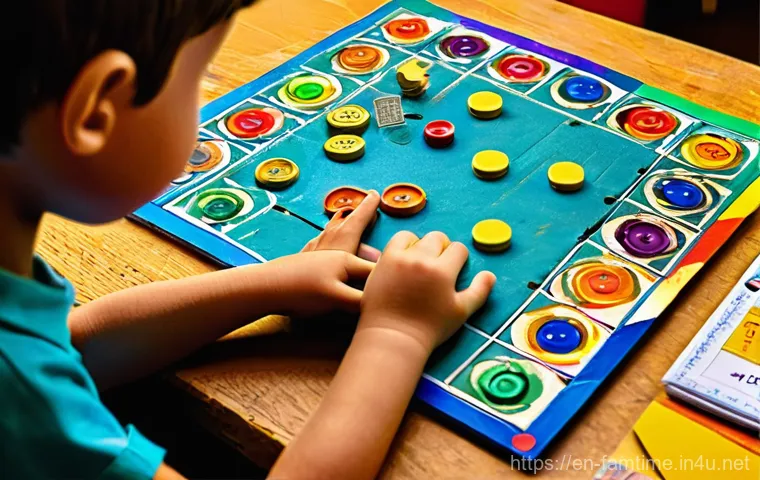
So, you’ve got the ideas bubbling, the creative juices flowing, and everyone’s excited to get started. Now comes the really fun part: turning those wild concepts into something tangible. The beauty of designing board games at home is that you don’t need fancy equipment or expensive supplies. In fact, some of our best creations have come from rummaging through the recycling bin and our craft drawer. I’ve learned that the more adaptable you are with your materials, the more creative your kids become with their designs. One time, we used bottle caps for game pieces and an old pizza box for the board – it was brilliant! The key is to start simple and let the ideas guide your material choices, rather than the other way around. Don’t feel like you need to buy a whole craft store; chances are, you already have a treasure trove of potential game components right under your nose. This process also teaches kids about resourcefulness and seeing the potential in everyday objects, which is a fantastic life lesson.
Brainstorming Brilliant Game Ideas
This is where the magic truly begins! Gather your family, maybe over a cozy snack, and just start tossing out ideas. There are no bad ideas here, remember? Encourage everyone to share whatever pops into their head. We love using prompt cards like “What’s your favorite animal?” or “If you had a superpower, what would it be?” to get the ball rolling. Sometimes, we’ll start with a theme, like “outer space adventure” or “mystery in a haunted house,” and then build from there. Other times, we focus on a mechanic, like a game where you collect ingredients to bake a cake. Don’t be afraid to combine seemingly unrelated concepts – that’s often where the most unique and hilarious games come from! I’ve learned that listening intently to your child’s half-formed ideas and helping them flesh them out is crucial. Ask open-ended questions like, “What happens next?” or “How would a player win this game?” You’ll be amazed at the fantastical worlds and intricate rules they come up with when given the space to explore.
Gathering Your Materials: Simple Treasures
Alright, creative geniuses, once you’ve got a fantastic concept, it’s time to gather your supplies! As I mentioned, you don’t need to break the bank. Look around your house first. You’ll be surprised what hidden gems you can find. Cardboard boxes are goldmines for game boards, character standees, or even dice. Empty toilet paper rolls can become towers, and bottle caps make excellent pawns. My personal favorite is using small trinkets from old party favor bags – they add so much personality! Here’s a little table of common household items we’ve used that always come in handy:
| Category | Essential Items | Creative Uses |
|---|---|---|
| Game Board | Cardboard (pizza boxes, cereal boxes), Poster board, Large paper | Main game path, individual player boards, foldable maps |
| Game Pieces/Tokens | Bottle caps, Small toys, Buttons, Pebbles, Erasers, Coins | Player pawns, score markers, resource tokens, currency |
| Cards/Rules | Index cards, Scrap paper, Construction paper | Action cards, character cards, event cards, rulebook pages |
| Dice/Spinners | Standard dice, Cardboard/paper for spinners, Paper clips | Movement, random events, challenge outcomes |
| Art Supplies | Markers, Crayons, Colored pencils, Glue, Scissors, Stickers | Decorating boards, drawing characters, attaching elements |
Just remember, the more accessible the materials are, the more ownership your kids will feel over the entire creation process. It’s all about making it easy and fun to get started!
Navigating the Design Process: Tips for Parents and Kids
Jumping into board game design with your kids is an adventure, and like any good adventure, it helps to have a few guiding principles. It’s not about being rigid, but about creating an environment where creativity can flourish alongside a bit of structure. I’ve found that the balance between letting them lead and offering gentle guidance is crucial. Sometimes, my initial instinct is to jump in and “fix” a rule that seems a bit wonky, but I’ve learned to hold back. Often, their “wonky” ideas lead to incredibly unique and fun gameplay elements that I, with my adult logic, would never have considered. It’s about being a facilitator, not a director. This process has taught me so much about letting go of perfection and embracing the joy of imperfection. After all, the goal isn’t to create a commercially viable game, but to create a shared experience and a unique family treasure.
Setting Up a Fun and Productive Workshop
Creating the right atmosphere makes all the difference. For us, a “game design workshop” means clearing off the dining room table, spreading out a big blanket or old sheet to protect the surface, and pulling out all our colorful supplies. I like to put on some upbeat music – nothing too distracting, just something to set a cheerful tone. Make sure everyone has enough space to work comfortably. Having a dedicated “ideas board” (even just a large piece of paper taped to the wall) where you can jot down characters, rules, or funny game titles can be incredibly helpful for keeping track of all the brilliant thoughts flying around. And don’t forget the snacks! A little bowl of pretzels or some fruit can keep those creative engines fueled. The whole point is to make it feel like a special, exciting event, not a chore. This positive environment really encourages kids to dive in and stay engaged for longer periods, which is great for those longer design sessions.
Balancing Structure and Spontaneity
This is probably the trickiest part, but also the most rewarding. Kids thrive on both freedom and a bit of direction. When we start, I usually suggest we pick a theme first, or decide on a core objective for the game (e.g., “collect treasure,” “race to the finish,” “solve a mystery”). This provides a loose framework. Within that framework, however, it’s a free-for-all for ideas! They get to decide the characters, the obstacles, the special powers. I’ve noticed that if I try to impose too much structure too early, they lose interest. But if it’s too unstructured, they can get overwhelmed. So, for example, we might say, “Okay, we need 10 spaces on the board. What happens on space number 3?” This gives them a clear task but allows for infinite creativity within that task. It’s a delicate dance, but when you hit that sweet spot, the design process flows beautifully. It also teaches them about iterating, about trying something out, and then tweaking it to make it better – a skill that’s valuable in all areas of life.
Overcoming Obstacles: Fun Challenges in Game Creation
Let’s be real, even the most enthusiastic game designers, big or small, are going to hit a snag or two. There will be moments when ideas clash, when a rule seems unfair, or when inspiration just seems to dry up. But here’s the secret: those “obstacles” aren’t roadblocks; they’re actually the most fertile ground for learning and some of the best creative breakthroughs! I’ve seen my kids squabble over a game mechanic, only to come up with a brilliant compromise that made the game even better. It teaches them about collaboration, about listening to others’ perspectives, and about not giving up when things get a little tough. Think of these challenges as mini-puzzles within the larger puzzle of game design. It’s a chance to model resilience and creative thinking for your little ones, showing them that it’s okay for things not to be perfect on the first try. In fact, that’s often when the real magic happens.
When Ideas Get Sticky: Brainstorming Breakthroughs
Have you ever been in the middle of a creative project, and suddenly, poof! The ideas just vanish? Kids experience this too. When we hit one of those “sticky” moments, where nobody can think of the next step, I’ve got a few tricks up my sleeve. Sometimes, we’ll take a short break, go outside for a few minutes, and come back with fresh eyes. Other times, we’ll try a “brainstorming sprint” where we just shout out every wild idea that comes to mind, no matter how silly, and I write them all down. We’ve also had success by looking at other games for inspiration – not to copy, but to see *how* they solved a similar problem. For example, if we’re stuck on movement, we might look at how different games use dice or spinners. It’s about shifting perspective and reminding everyone that there are always a thousand ways to solve a problem. It’s a fantastic way to teach them flexible thinking and to not be afraid of a blank space on the board.
The Art of Rule-Making (and Breaking!)
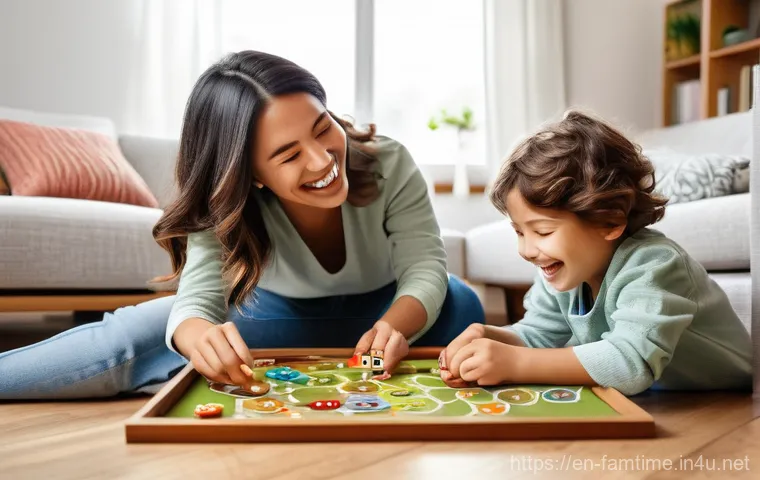
Rules, rules, rules! They’re the backbone of any game, but boy, can they be a source of intense debate, especially with budding designers. My kids initially wanted rules that only benefited them, naturally! So, we started talking about fairness and balance. We’d ask questions like, “If this rule makes it super easy for one player, what does it do for everyone else?” This sparked some amazing discussions about perspective-taking and empathy. We also quickly learned that rules often need to be broken and refined during playtesting. Sometimes a rule sounds great on paper, but in practice, it just doesn’t work. I’ve found that encouraging them to write down the rules clearly, and then being open to changing them, is a huge part of the learning process. It teaches them about iteration, about clear communication, and the importance of testing your assumptions. Plus, there’s a certain rebellious joy in deciding to tweak a rule because it makes the game more fun – a true sign of a great designer!
The Big Reveal: Playtesting and Perfecting Your Masterpiece
After all the brainstorming, crafting, and rule-making, the moment of truth arrives: playtesting! This is where your family’s creative genius truly gets to shine, and it’s arguably the most exciting part of the whole process. There’s nothing quite like seeing your hand-drawn board and custom-made pieces come to life as players interact with your creation for the very first time. I’ll never forget the nervous excitement my kids felt when we first set up “Unicorn Goblin Dash” and invited their cousins to play. They watched every move, every laugh, every moment of confusion, soaking it all in. This isn’t just about playing a game; it’s about observing, collecting feedback, and understanding how your design actually works in the hands of others. It’s a crucial step that teaches humility, critical observation, and the invaluable lesson that even the best ideas can always be improved. And honestly, it’s just incredibly rewarding to see your family’s unique game being enjoyed by others.
Inviting Your First Players: Friends and Family
Who better to be your first audience than the people who love you most? We usually start with immediate family, then expand to grandparents, aunts, uncles, or close friends. The key here is to set expectations: let them know this is a homemade game, still in its early stages, and you’re looking for honest feedback. Encourage them to point out what’s fun, what’s confusing, and what could be better. My kids learned very quickly that not all feedback is criticism; it’s just information to help them make their game even stronger. One time, a younger cousin pointed out that a certain rule was too complicated for him, and that led us to simplify it in a way that actually made the game more accessible and fun for everyone. It’s a wonderful lesson in receiving constructive feedback gracefully and understanding that different players have different experiences. Plus, it’s just a blast to gather everyone for a unique game night starring your very own creation!
Iteration Station: Making Your Game Even Better
Playtesting isn’t just about playing; it’s about refining. After each play session, we gather around and have a “debrief.” We talk about what went well, what felt clunky, and what changes we might want to make. Did a character seem too powerful? Was a certain path too confusing? Did the game last too long (or not long enough)? This is where the real learning happens. My kids have learned that design is an iterative process – it’s rarely perfect on the first try. They’ve embraced the idea of “version 2.0” and “version 3.0,” eagerly sketching out new cards or redrawing parts of the board. This mindset of continuous improvement is incredibly valuable. It teaches them patience, adaptability, and the understanding that good things take time and effort. It also means the fun never truly ends, because there’s always a new tweak, a new expansion, or a whole new game waiting to be designed!
Learning Through Play: The Unexpected Educational Benefits
When you embark on the journey of designing board games with your kids, you’re not just having fun; you’re actually unlocking a treasure trove of educational benefits that go way beyond what they might learn in a classroom. I’ve been consistently amazed at how many critical skills my children have picked up without even realizing they were “learning.” It’s the ultimate stealth education, woven seamlessly into creative play. From complex mathematical concepts to sophisticated communication skills, board game design offers a holistic learning experience that engages their minds in a truly unique way. It’s like they’re getting a masterclass in problem-solving and critical thinking, all while giggling over a silly game mechanic. This kind of experiential learning sticks with them far more effectively than rote memorization ever could, building a strong foundation for future academic and life successes.
Stealth Learning: Math, Reading, and Problem-Solving in Disguise
Who knew a game about collecting magical gems could teach so much math? When my kids are figuring out how many gems a player needs to win, or how many spaces to move, they’re doing addition, subtraction, and even a bit of probability. Reading skills get a workout as they write out rules, create character descriptions, and craft event cards. The need to articulate rules clearly forces them to think about sentence structure and vocabulary. And problem-solving? Oh, that’s at the heart of every design decision! How do we make the game fair? How do we prevent one player from always winning? How do we make sure the game isn’t too long or too short? These aren’t just game design questions; they’re exercises in logical reasoning and critical thinking. I’ve seen their confidence soar as they tackle these challenges, realizing they have the power to create solutions. It’s truly incredible to watch these academic skills blossom naturally within a playful context.
Boosting Social-Emotional Skills
Beyond the academics, board game design is a goldmine for developing crucial social-emotional skills. Think about it: you’re working together as a team, sharing ideas, and sometimes, you’re going to disagree. This is where kids learn the art of compromise and negotiation. They learn to listen to each other’s perspectives, to articulate their own ideas respectfully, and to find solutions that work for everyone. It teaches them patience, especially when a design decision takes a little longer to hash out. There’s also a significant boost in self-esteem and confidence as they see their ideas valued and brought to life. They learn to handle frustration when a rule doesn’t quite work, and they experience the immense satisfaction of shared accomplishment. These are skills that extend far beyond the game board, helping them navigate friendships, school projects, and eventually, the complexities of adult life. It’s truly a holistic approach to development, wrapped up in a package of pure fun!
Keeping the Fun Going: Expanding Your Game Design Adventures
So, you’ve designed a fantastic board game with your kids, you’ve playtested it, and everyone’s had a blast. But guess what? The adventure doesn’t have to end there! One of the coolest things about this whole process is that it plants a seed for ongoing creativity. My kids now look at every family game night, every toy, every new concept with a designer’s eye, constantly thinking, “How could we make a game out of that?” It’s a habit of creative thinking that transcends the initial project. There are so many ways to keep the good times rolling and expand on your game design journey, ensuring that the collaborative spirit and learning continue long-term. This isn’t just a one-off craft project; it’s an ongoing, evolving creative outlet that can provide countless hours of engaging family fun and continuous skill development. Trust me, once you start, it’s hard to stop!
Themed Game Nights and Creative Challenges
Once you’ve got a game or two under your belt, why not host a themed game night around your creations? Get everyone dressed up as their game characters, or decorate the house to match the game’s world. It adds another layer of immersion and excitement. We’ve also found success with “design challenges.” For example, I might say, “This week, let’s design a game that only uses dice and paper clips,” or “Can we make a game where the goal is to lose?” These challenges push their creativity in new directions and prevent the design process from ever feeling stale. It keeps them on their toes, constantly thinking outside the box, and discovering new ways to innovate with limited resources. It’s like giving them a puzzle to solve with their imagination, and the solutions they come up with are always astonishingly clever and unique. It’s a wonderful way to foster continuous creative growth.
Sharing Your Creations with the World (or Just Your Living Room)
While the primary goal is family fun and learning, there’s an immense sense of pride that comes with sharing your creations. We’ve held “Game Fairs” in our living room, where each child presents their latest game to a small audience of family or friends. They get to explain the rules, demonstrate gameplay, and answer questions – talk about building presentation and communication skills! You could even consider taking photos of your finished games and creating a digital “portfolio” of your family’s designs. It’s a fantastic way to document their progress and celebrate their achievements. And who knows, maybe one day, those early designs will spark an idea for something even bigger. For now, the joy is in the making and the sharing, creating memories and building skills that will last a lifetime. So go ahead, unleash your inner game designers, and let the adventures continue!
Bringing Our Game Design Journey to a Close
Whew! What an incredible adventure it’s been, diving deep into the world of collaborative game design with our kids. Reflecting on those afternoons spent surrounded by cardboard, markers, and endless giggles, it’s clear that this isn’t just about creating a game; it’s about forging unforgettable memories and strengthening those precious family bonds. I’ve seen firsthand how these projects ignite a spark in children, fostering not just their creativity but a whole host of essential life skills – from problem-solving to patience, and even the art of negotiation. It’s a powerful reminder that some of the most profound learning happens when we step away from the screens and simply build, imagine, and play together. The games we create might be simple, but the experiences they offer are rich, complex, and absolutely priceless. So, keep those ideas flowing, gather your supplies, and continue to build worlds with your little ones. The magic is truly in the making!
Handy Tips for Your Next Family Game Design Session
Ready to jump into your next game design escapade? Here are a few tried-and-true tips I’ve picked up along the way to make your creative sessions even more rewarding and fun:
1. Keep it simple and use what you have. Don’t feel pressured to buy fancy materials. Old cereal boxes, bottle caps, and scrap paper are often the best starting points and encourage incredible resourcefulness in kids.
2. Embrace every idea. Seriously, no idea is too silly or outlandish. Encourage brainstorming sessions where every thought is welcomed and written down. You’ll be amazed at how a wild concept can evolve into a brilliant game mechanic.
3. Prioritize playtesting and be open to changes. The first version of your game is rarely the last! Play it, observe, and ask for honest feedback from everyone. This iterative process teaches adaptability and the joy of continuous improvement.
4. Create a dedicated “design zone.” Whether it’s the dining room table or a corner of the living room, having a specific, inviting space for your design work can signal that it’s special creative time. Good lighting and comfy seating don’t hurt!
5. Focus on the fun, not perfection. Remember, the goal isn’t a commercially viable product, but a shared experience. Laugh at the silly rules, celebrate the small victories, and cherish the time spent creating together. The memories are the real win.
Key Takeaways for Lasting Family Fun
As we wrap up our journey into the delightful world of family game design, let’s remember the core principles that make this activity so incredibly impactful. This isn’t just a fleeting craft; it’s a powerful tool for holistic development and deep family connection. We’ve seen how engaging in collaborative play fosters critical thinking, problem-solving, and literacy skills without kids even realizing they’re learning. More than that, it’s a fantastic way to boost their confidence, improve their social-emotional intelligence through negotiation and compromise, and teach them invaluable lessons about teamwork and patience. Breaking away from screens, you’re building a tradition, a shared language of creativity, and a treasure trove of unique family stories that will be recounted for years to come. So, keep those creative fires burning and know that every piece of cardboard, every scribbled rule, and every moment of shared laughter is contributing to something truly extraordinary. You’re not just making games; you’re building brighter, more connected futures.
Frequently Asked Questions (FAQ) 📖
Q: My kids are super excited, but where do we even begin with designing a board game? It feels a little overwhelming!
A: Oh, I totally get that feeling! When my own family first ventured into this, I thought it would be a chaotic mess of glitter and half-finished ideas. But honestly, the beauty is in its simplicity.
You don’t need a fancy design studio! Start by just chatting. Ask your kids what kind of adventures they love, what characters inspire them, or even what challenges they face in their favorite stories or daily life.
One time, my youngest, Leo, was obsessed with finding his lost toy dinosaur, and that sparked an entire game about a jungle expedition! The main goal is to pick a theme, a simple story, and a basic objective.
Do players race to the end? Collect treasures? Work together to solve a mystery?
Keep it super straightforward at first. Then, gather some basic supplies you probably already have: cardboard (an old Amazon box works wonders!), markers, construction paper, scissors, and maybe some old game pieces or even small toys for player tokens.
We’ve used everything from bottle caps to LEGO minifigures. The real magic happens when you let their imaginations run wild with what’s available. It’s less about perfect execution and more about the shared creative journey and the joy of bringing an idea to life, one crayon stroke at a time.
It truly is the most rewarding chaos!
Q: This sounds amazing for creativity, but what about the actual learning benefits?
A: re we just making a fun craft, or is there more to it for their development? A2: That’s such a brilliant question, and believe me, it’s so much more than just a craft project – though it’s a fantastic one at that!
From my personal experience, and from seeing my kids grow through these activities, designing board games together is like a secret superpower for development.
Think about it: they’re diving headfirst into critical thinking by figuring out rules and mechanics, problem-solving when a rule doesn’t quite work, and storytelling as they craft the game’s theme and characters.
My daughter, Lily, once designed a game where players had to “earn” money by doing chores, which was a hilarious and surprisingly effective way for her to grasp basic math and even some early financial concepts!
It also seriously boosts their social skills. They learn about turn-taking, compromising on rules, and even how to handle “losing” gracefully – which, let’s be real, is a huge life lesson.
Plus, the fine motor skills they develop cutting, drawing, and moving pieces? Priceless. It’s an incredible, hands-on way for them to develop everything from logical reasoning and patience to fantastic communication skills, all while having an absolute blast and creating something truly unique.
It builds their confidence in ways a pre-made game just can’t touch.
Q: My kids are different ages. Can this activity really work for both a five-year-old and a ten-year-old, or will one get bored?
A: Oh, this is a common concern for us parents with kids in different age brackets, and I’m thrilled to tell you, it absolutely can work for everyone! I’ve seen it firsthand in my own home.
The trick is to tailor their involvement to their developmental stage. For your younger child, say five years old, focus on the more visual and imaginative aspects.
Let them be the “chief decorator” or the “storyteller.” They can draw the board, choose the colors, create the characters, or come up with simple “move forward two spaces” or “lose a turn” type rules.
Their joy comes from the tangible creation and immediate play. My son, at that age, mostly focused on drawing cute monsters on the spaces and deciding what “bad” things happened if you landed on them!
For your ten-year-old, you can dive deeper into the mechanics. They can help brainstorm more complex rules, design unique game cards, balance player abilities, and really think about strategy.
They can even act as a “junior game master” for their younger sibling, explaining rules and helping guide the play. What I’ve found is that the older child often loves the challenge of making the game engaging for everyone, and the younger one feels incredibly empowered by contributing their artistic flair.
It fosters teamwork and mutual respect, making it a fantastic shared family experience that truly caters to all ages and interests.