Remember those chaotic mornings, the endless screen time, and the constant rush? I certainly do. That’s why, when my own family felt the pull of something simpler, we decided to dive headfirst into a rural life experience.
It wasn’t just a vacation; it was a profound shift, a chance to reconnect with nature and each other in ways city life just doesn’t allow. From planting our first garden to evenings filled with starlit conversations, I’ve personally found this journey offers an incredible antidote to modern stressors.
And with growing trends towards sustainable living and digital detoxes, it’s clear we’re not alone in seeking this authentic connection. Let’s delve deeper into what makes this such a transformative adventure.
Embracing the Rhythms of Nature: Our Journey to Self-Sufficiency
Stepping away from the relentless churn of urban existence, my family and I truly plunged into a world where the sun dictates our wake-up calls and the soil guides our hands.
It wasn’t just about moving to a new place; it was an active decision to reclaim a sense of purpose and connection that felt increasingly lost amidst the concrete jungle.
I recall the initial apprehension – could we, city dwellers through and through, truly adapt to growing our own food, understanding the nuances of weather, and handling the sheer physical demands?
What I quickly discovered, however, was a profound sense of accomplishment with every tomato ripened on the vine, every patch of soil turned, and every jar of preserves sealed.
It’s a messy, often tiring, but deeply rewarding process that grounds you in a way nothing else can. We’ve learned to appreciate the subtle shifts in seasons, the hum of bees, and the sheer miracle of germination.
This hands-on experience has been a masterclass in resilience and patience, lessons that extend far beyond the garden gate into every aspect of our lives.
1. Cultivating Our Own Sustenance: More Than Just Food
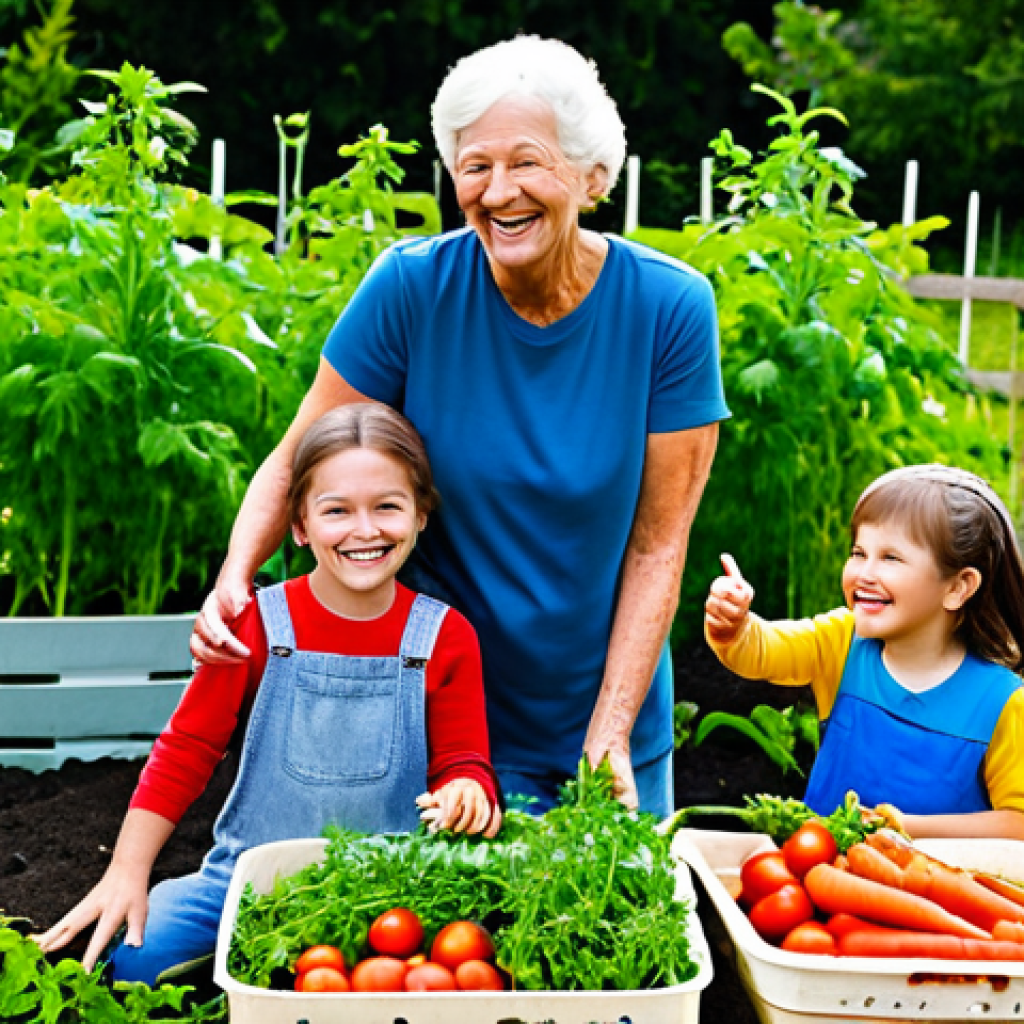
There’s an undeniable magic in eating food you’ve grown yourself. For us, it started small – a few raised beds, some herbs, a couple of berry bushes. But as our confidence grew, so did our garden, transforming into a vibrant tapestry of vegetables, fruits, and edible flowers.
My kids, who once viewed vegetables with suspicion, now eagerly pull carrots from the ground, their faces smeared with dirt, marveling at the earthy sweetness.
This isn’t just about nutrition; it’s about understanding where our food comes from, appreciating the hard work involved, and reducing our reliance on industrial supply chains.
The Unseen Benefits of Homegrown:
- Improved flavor and nutrient density compared to store-bought.
- Significant reduction in food waste as we learn to preserve and utilize every part.
- A tangible connection to the earth and the natural cycles of life.
- Cost savings over time, especially with high-value produce.
2. The Art of Simple Living: Reducing Our Footprint
Rural life inherently encourages a more minimalist approach. When you’re surrounded by nature’s abundance, the desire for endless material possessions seems to fade.
We found ourselves naturally gravitating towards repairing rather than replacing, sharing with neighbors, and making do with what we had. This shift wasn’t forced; it was a natural byproduct of our environment.
It’s about being mindful of resources, understanding consumption, and truly valuing quality over quantity. This change has been surprisingly liberating, freeing up mental space and reducing daily stress.
Beyond the Wi-Fi Signal: Fostering Genuine Family Connections
I used to worry about the constant digital hum in our lives, the way screens often seemed to put a barrier between us, even when we were in the same room.
Moving to the countryside peeled back those layers, exposing the raw, beautiful core of our family dynamics. Suddenly, there were fewer distractions, less temptation to scroll, and more opportunities for genuine interaction.
I remember one evening, the power went out after a storm, and instead of fretting, we lit candles, told stories, and played board games by flashlight.
It was chaotic, hilarious, and one of the most memorable nights we’ve ever had, precisely because it was unplugged. These aren’t manufactured moments; they emerge organically from shared experiences, from working together on a farm project, exploring a new trail, or simply watching the stars without the city lights obscuring their brilliance.
It’s a profound shift from parallel play to true togetherness.
1. Rediscovering the Power of Unstructured Time
One of the biggest gifts rural living has given us is the abundance of unstructured time. No longer bound by rigid schedules of extracurriculars and commutes, our days have unfolded more fluidly.
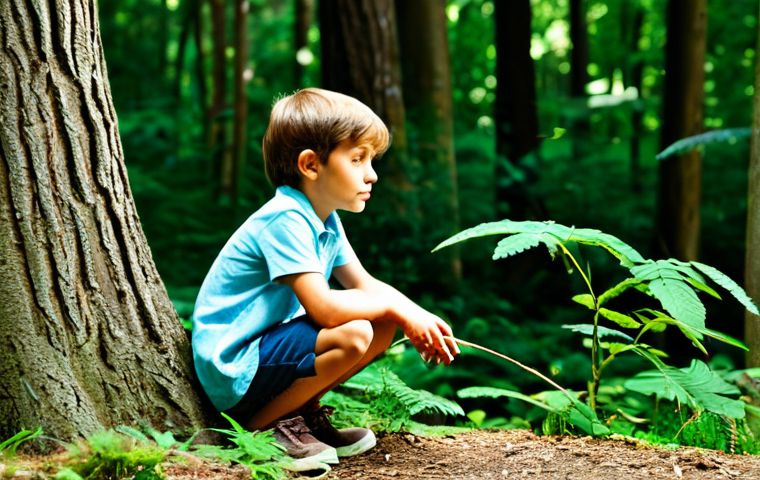
This means more time for spontaneous adventures – building forts in the woods, splashing in a nearby creek, or simply lying in the grass, spotting cloud shapes.
For my kids, this has ignited a spark of creativity and independent play that I hadn’t seen in years. For my husband and me, it’s meant longer conversations, shared silences, and a deeper appreciation for each other’s presence.
2. Shared Adventures and Building Resilience Together
From figuring out how to fix a leaky faucet to wrangling an escaped chicken, rural life is packed with little challenges that become shared adventures.
These aren’t always easy or glamorous, but they are incredibly bonding. My children have seen us problem-solve, persevere through setbacks, and celebrate small victories.
This hands-on learning, where we’re all in it together, builds incredible resilience and a sense of collective accomplishment. It’s truly incredible to watch them pitch in, not because they have to, but because they understand their contribution makes a difference to the family unit.
The Outdoor Classroom: Unlocking Life Skills and Creativity
My perspective on education has completely transformed since we moved to the countryside. While formal schooling is important, I’ve found that the richest lessons often occur outside the classroom, right in our own backyard.
Forget textbooks; our classroom now has rustling leaves, chirping birds, and the earthy scent of damp soil. My children are learning about biology by observing insects and plants, about physics by building treehouses, and about chemistry through composting.
This experiential learning isn’t just theoretical; it’s hands-on, practical, and deeply rooted in the real world. I’ve watched their curiosity bloom as they encounter new phenomena daily, asking questions, experimenting, and drawing conclusions in ways that traditional schooling often struggles to replicate.
It’s messy, often loud, and utterly brilliant.
1. Practical Skills That Last a Lifetime
There’s an old-fashioned charm to the skills my kids are picking up, but also an undeniable practicality. They’re learning to identify different types of wood, understand basic tool use, and even help with minor repairs around the property.
These aren’t just “country skills”; they’re fundamental life skills that build confidence and competence. They understand the value of a hard day’s work and the satisfaction of a job well done.
Skills Acquired Through Rural Living:
- Basic carpentry and home maintenance
- Gardening and food preservation techniques
- Animal husbandry (if applicable)
- Navigation and outdoor survival basics
- Problem-solving through hands-on challenges
2. Nurturing Uninhibited Creativity and Imagination
Without the constant external stimuli of city life, children in rural settings often tap into a deeper well of imagination. Ours certainly have. The woods become a kingdom, a fallen log a pirate ship, and a mud puddle an alien landscape.
They invent games, craft elaborate stories, and create art from natural materials. This uninhibited play, free from the confines of structured activities, is vital for developing critical thinking, creativity, and emotional intelligence.
It’s a joy to witness their worlds expand, limited only by the boundaries of their minds.
Nourishing Body and Soul: The Wellness Benefits of Rural Living
If there’s one thing I’ve truly savored, it’s the tangible improvement in our family’s overall well-being. The air here feels crisper, the nights are darker, and the days feel longer in the best possible way.
Gone are the frenetic dashes, replaced by a more mindful pace. I personally noticed a significant reduction in my stress levels within the first few months.
The constant low hum of city anxiety seemed to just dissipate, replaced by the soothing sounds of nature. It’s not a magic bullet, but the environment itself acts as a powerful balm for the soul, allowing for deeper breaths, clearer thoughts, and a more profound sense of calm.
Our sleep improved dramatically, and the physical activity inherent in rural life became our natural gym. It’s a holistic shift that truly permeates every aspect of existence, from what we eat to how we think.
1. Physical Vitality Through Active Living
Rural life naturally encourages a more active lifestyle. Whether it’s tending the garden, walking the property, or simply exploring the nearby trails, physical activity becomes an integrated part of daily life rather than a chore to be squeezed in.
My children spend hours outdoors, running, climbing, and truly engaging their bodies. This regular, low-impact exercise has strengthened us all, improved our stamina, and given us a healthy glow that city life often seemed to drain away.
It’s refreshing to feel truly tired at the end of the day, not from mental exhaustion, but from fulfilling physical exertion.
2. Mental Clarity and Emotional Well-being
The sheer quiet of the countryside is a profound healer for the mind. Without the constant noise pollution and visual clutter of the city, there’s more space for introspection and calm.
I’ve found that my thoughts are clearer, my focus has improved, and I feel a greater sense of peace. The mental health benefits are undeniable – reduced anxiety, improved mood, and a sense of grounding that comes from being connected to something larger than yourself.
Spending time in nature has a proven positive impact on emotional well-being, and we are living proof of that.
Rewriting the Budget: Financial Realities and Rewards of Country Life
When we first considered this move, the financial aspect was a huge question mark. Would it be cheaper? More expensive?
The truth, I’ve learned, is that it’s different. Very different. While some upfront costs for land or property can be substantial, the daily outgoing expenses often shift dramatically.
We found that our food bill plummeted once we started growing our own produce, and the constant temptation of consumerism that defined city living simply faded away.
We drive less, entertain more simply at home, and find joy in experiences rather than possessions. It’s not just about saving money; it’s about a complete re-evaluation of what truly holds value.
Of course, there are new costs – maintaining a well, heating a larger home, perhaps a tractor – but these are often offset by savings elsewhere and a significant improvement in quality of life.
1. Shifting Spending Priorities and Finding Value
Our budget priorities have completely flipped. Where we once spent heavily on entertainment, dining out, and impulse buys, we now invest in tools for the garden, sustainable energy solutions, and experiences like hiking gear or supplies for a new craft.
This isn’t about deprivation; it’s about conscious spending that aligns with our values. The satisfaction of canning our own vegetables far outweighs the fleeting pleasure of an expensive takeout meal.
| Aspect | City Living (Pre-Move) | Rural Living (Current) |
|---|---|---|
| Housing Costs | High rent/mortgage, often smaller space | Potentially higher initial land cost, lower property taxes, more space |
| Food Expenses | High, frequent restaurant/delivery, limited fresh produce access | Lower due to gardening, local markets; potential for preservation savings |
| Transportation | Daily commute, public transport fees, high fuel costs, parking | Less frequent driving, fewer traffic jams; reliance on personal vehicle |
| Utilities | Often higher for smaller spaces (apartments), reliance on city services | Well/septic maintenance, heating larger spaces, potential for solar/alternative energy savings |
| Entertainment | Expensive events, concerts, dining out, shopping | Nature-based activities, home-based entertainment, community events |
2. The Long-Term Investment in a Sustainable Future
Beyond immediate savings, rural living feels like a long-term investment in our family’s future and well-being. We’re building equity in land, developing critical self-sufficiency skills, and creating a more resilient lifestyle less susceptible to urban fluctuations.
The ability to grow a significant portion of our own food, manage our own waste, and potentially generate our own power provides a sense of security that is invaluable in an increasingly uncertain world.
It’s a strategic choice for stability and genuine freedom.
Building Our Village: Community and Connection Beyond the City Limits
One of my biggest fears before moving was isolation. I’d grown accustomed to the anonymity of city life, where neighbors might pass by without a word.
What I found in our rural community was the complete opposite: an immediate, heartfelt embrace. It wasn’t forced or performative; it was simply the way things are done here.
Neighbors lend a hand without being asked, share surplus harvest, and gather for impromptu potlucks under starlit skies. This isn’t just about friendliness; it’s about a deep-seated interdependence and shared understanding of rural life’s unique joys and challenges.
I’ve personally experienced the profound comfort of knowing we’re truly part of a supportive network, a feeling that often felt elusive in our bustling city.
It’s a genuine connection that nourishes the soul.
1. The Return of Genuine Neighborly Support
The concept of a “village” isn’t just a nostalgic ideal here; it’s a living, breathing reality. When our well pump broke, a neighbor was over within the hour, tools in hand, before we even had a chance to call a professional.
When we had a bumper crop of zucchini, our porch was filled with homemade jams and pies from appreciative recipients. This reciprocal system of support isn’t transactional; it’s woven into the fabric of daily life, creating a powerful safety net and a sense of belonging that is truly precious.
2. Engaging with Local Traditions and Events
Rural communities often have strong traditions and unique local events that become the heartbeat of their social calendar. From small-town farmers’ markets that double as social hubs to annual county fairs, harvest festivals, and community potlucks, there are endless opportunities to connect.
My family now looks forward to these events, not just for the activities, but for the chance to catch up with friends, meet new people, and celebrate the shared rhythms of our lives.
It’s a tangible way to feel rooted and invested in the place we now call home.
The Unfiltered Truth: Overcoming Challenges and Embracing Imperfection
Let me be absolutely clear: rural life isn’t a perpetual postcard, and anyone who tells you otherwise is selling something. It has its own unique set of challenges, often demanding a level of self-reliance and grit that city living never required.
I remember the sheer frustration of a surprise frost wiping out our early tomato seedlings, or the unexpected burst pipe in the depths of winter. There are power outages, muddy tracks, and the occasional wildlife encounter that’s more alarming than charming.
But what I’ve discovered is that navigating these difficulties, figuring things out, and working through them as a family has been incredibly formative.
These aren’t just obstacles; they are opportunities for growth, for learning patience, and for discovering our own resilience. It’s about embracing the imperfections and finding beauty in the struggle, turning setbacks into stories of triumph, even if small ones.
1. Navigating Unexpected Obstacles and Building Resilience
The reality of rural living is that you become your own first responder for many things. There’s no quick fix for a downed fence or a misbehaving tractor.
This means learning, adapting, and problem-solving on the fly. It’s often frustrating, sometimes messy, but it builds an incredible sense of self-reliance and confidence.
My kids have seen us grapple with challenges, make mistakes, and eventually find solutions, teaching them invaluable lessons about perseverance that no textbook ever could.
It’s real-world learning at its most raw and effective.
2. Finding Beauty in the Unfiltered Reality
Life in the countryside strips away many of the facades of modern existence. You see the cyclical nature of life and death, the raw power of weather, and the undeniable truth that not everything goes according to plan.
This unfiltered reality can be daunting at first, but it also fosters a profound appreciation for the simple things, for resilience, and for the beauty found in unexpected places.
It’s about embracing the mud along with the blossoms, and understanding that true fulfillment often lies in the perfectly imperfect tapestry of a life lived authentically.
Wrapping Up
Our journey to self-sufficiency in the countryside has been nothing short of transformative. It wasn’t a clean break or a simple pivot; it was a deep dive into a life rooted in nature, family, and community.
We’ve certainly faced our share of mud and unexpected challenges, but every hurdle has only deepened our appreciation for this simpler, more connected existence.
This shift has not just changed where we live, but how we live, reshaping our values, strengthening our bonds, and grounding us in a profound sense of purpose.
It’s a messy, beautiful, and utterly rewarding adventure that I wouldn’t trade for anything.
Useful Information to Know
1. Research Before You Leap: Before making the move, thoroughly research local zoning laws, property taxes, and the availability of essential services like high-speed internet, medical facilities, and schools. Rural areas vary wildly, and what works for one family might not for another.
2. Understand Utility Differences: Be prepared for well water, septic systems, and potentially less reliable power grids. Learning basic maintenance for these systems or having reliable local contacts is crucial. Off-grid solutions like solar panels can be a significant investment but offer long-term self-sufficiency.
3. Embrace Community Engagement: Rural life thrives on community. Actively participate in local events, farmers’ markets, and volunteer opportunities. Building relationships with neighbors is invaluable for support, shared resources, and truly feeling at home.
4. Budget for New Expenses and Savings: While daily living costs might decrease, anticipate new expenses for land maintenance, larger vehicles, heating larger spaces, and specialized tools. However, significant savings can often be found in food production and a reduction in consumeristic spending habits.
5. Cultivate Patience and Flexibility: Nature operates on its own timeline, and rural projects often take longer and have more variables than expected. Develop a flexible mindset, a willingness to learn new skills, and a deep well of patience. Imperfection is part of the charm.
Key Takeaways
Moving to the countryside offers a profound shift towards self-sufficiency, stronger family bonds, and a deeper connection with nature. While challenges exist, they foster resilience and unique life skills.
The financial landscape reorients towards value and sustainability, and community support becomes a cornerstone of daily life. It’s a journey of embracing the authentic, unfiltered reality for a truly enriching existence.
Frequently Asked Questions (FAQ) 📖
Q: So, you talk about this “profound shift” – what was the single biggest jolt, the most unexpected challenge, once you actually dove into rural life?
A: Oh, without a doubt, it was the sheer pace of things, or rather, the lack thereof, and learning to truly be self-reliant. In the city, everything’s on demand.
Need a plumber? Ten minutes. Here?
You’re often waiting a day, or even two, for a specialist. We also realized how much we’d relied on convenience. Our first winter, with a power outage that lasted over a day after a nasty ice storm, taught us a lot about generators, firewood, and just, well, patience.
It really tested our “city slicker” reflexes, but honestly, it forced us to learn skills we never thought we’d need – a bit of amateur plumbing, basic carpentry, even just how to stack firewood properly.
It was frustrating at first, but incredibly empowering in retrospect. We actually started bartering skills with neighbors, like I’d help fix a computer if they’d show me how to mend a fence.
That community resilience? Priceless.
Q: You mentioned reconnecting as a family. How did your kids, specifically, adapt to such a drastic change from city life, with less screen time and more…dirt?
A: That was definitely one of my biggest anxieties, I won’t lie. I pictured endless whining about Wi-Fi. But honestly, it was smoother than I ever dared hope.
The initial novelty of being able to run wild, build forts in the woods, or spend an entire afternoon just watching tadpoles in the creek was huge. Sure, there were moments of “I’m bored!” – but those quickly dissolved when we started simple projects together.
My youngest, who used to be glued to his tablet, absolutely fell in love with tending our small chicken coop. He named every single hen! And my eldest, who was a typical teen, initially scoffed at gardening, but now he’s the one reminding me to check the tomatoes and is surprisingly good at identifying different bird calls.
We replaced screen time with story time under the stars, bonfires, and actually talking to each other without constant digital distractions. It wasn’t instant, but seeing them develop a genuine curiosity for the natural world and a resilience I hadn’t seen before?
That’s the real gold.
Q: This sounds amazing, but let’s be real – can this rural “antidote” really be a long-term, sustainable lifestyle, especially when you factor in things like work, income, and access to services?
A: That’s the million-dollar question, isn’t it? And frankly, it’s not a one-size-fits-all answer. For us, it required a lot of planning and some significant adjustments.
We had to embrace remote work opportunities – thankfully, my partner’s job shifted pretty seamlessly, and I picked up some freelance gigs that didn’t tie me to an office.
Access to high-speed internet was a non-negotiable for us, and that was a hurdle in some rural areas we looked at, but we found a place where it worked.
As for services, yes, the nearest big box store or specialized clinic might be a 30-minute drive, but you adjust. You learn to consolidate errands, shop locally when possible, and appreciate the slower pace.
It’s about redefining “convenience.” Financially, we found our cost of living, overall, went down – lower property taxes, less impulse spending, growing a lot of our own food.
But it’s a trade-off. We’ve certainly had to learn a lot about budgeting, home maintenance, and even things like canning vegetables. It’s not a fairy tale; it’s a deliberate choice and a continuous learning process, but absolutely, it can be sustainable if you’re willing to adapt and get creative.
It’s definitely not for everyone, but for us, it’s been worth every single effort.
📚 References
Wikipedia Encyclopedia
구글 검색 결과
구글 검색 결과
구글 검색 결과
구글 검색 결과
구글 검색 결과