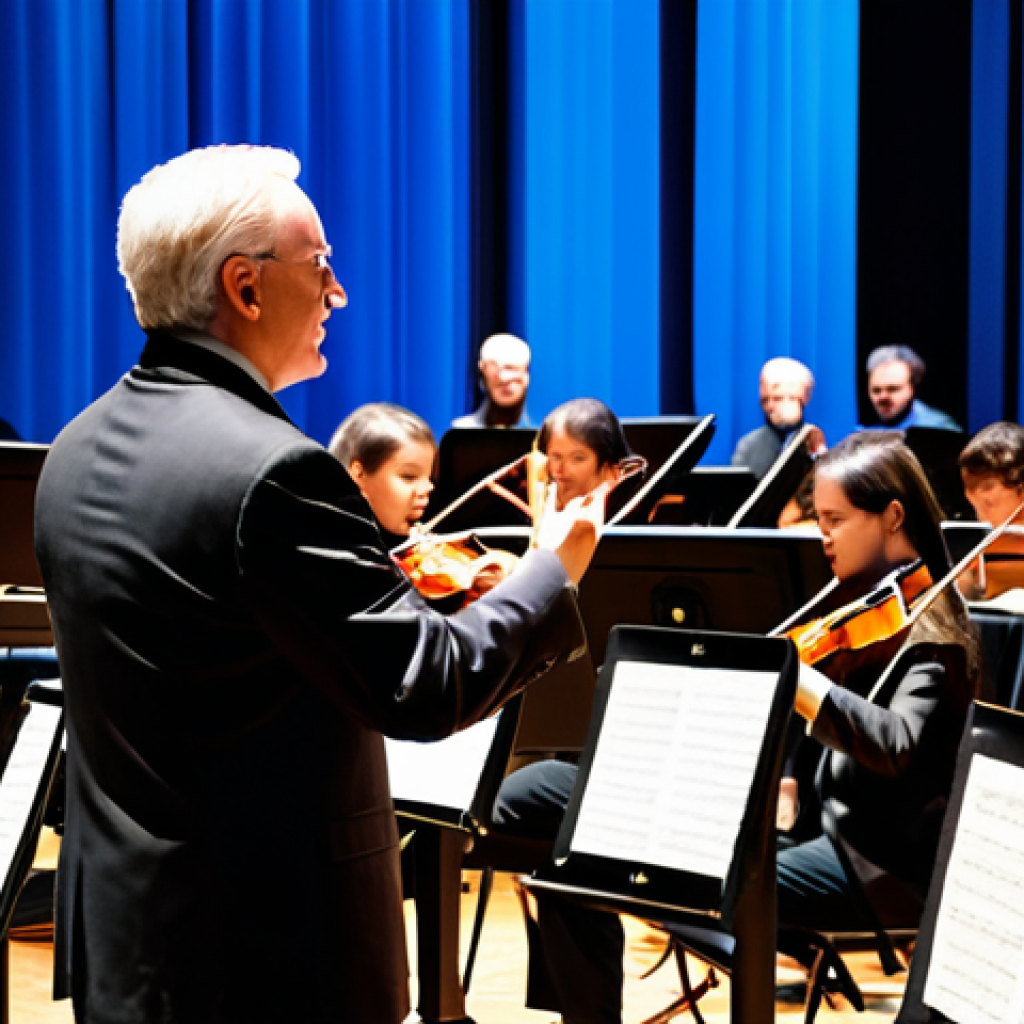
I remember the very first time I nervously eyed tickets to a local symphony concert, wondering if bringing my energetic little one along was a stroke of genius or utter madness.
Most parents, myself included, often assume classical music is ‘too much’ for young minds – too long, too quiet, too formal. But what I discovered that evening, watching my child’s eyes light up, utterly changed my perspective.
It wasn’t just about sitting still; it was about witnessing pure magic unfold, about feeling the vibrations in your chest, about seeing a hundred musicians breathe as one.
In an age where screens dominate our attention and algorithms curate our experiences, there’s something profoundly grounding and uniquely human about live orchestral music.
It’s a powerful antidote to digital overload, offering a genuine, unfiltered sensory feast that truly engages the mind and soul in ways an app never could.
From what I’ve personally observed, these moments aren’t just entertainment; they’re vital seeds planted for fostering focus, emotional intelligence, and a deep appreciation for the arts in a world that increasingly needs it.
It’s a truly priceless experience, one I now champion for every family. We’ll find out exactly how to make this extraordinary journey a reality for your family.
Beyond the Quiet: Unleashing the Symphony’s Sensory Power

That initial assumption, the one I shared about classical music being ‘too much,’ really stems from a misconception that it’s solely about stillness and silence. But as I’ve learned firsthand, ushering a child into a symphony hall is less about enforcing quietude and more about unlocking a kaleidoscope of sensations. I remember seeing my son, usually a whirlwind of motion, utterly captivated by the shimmer of the brass section, the dramatic sweep of the strings, and the thunderous boom of the timpani. It wasn’t just an auditory experience; it was visceral. He felt the vibrations in his seat, saw the coordinated movements of dozens of musicians, and watched the conductor weave magic from thin air. This kind of multi-sensory engagement is incredibly rare in our digitally saturated lives, and it provides a unique form of stimulation that transcends passive listening. It’s about being fully present in a grand, shared moment, something that truly resonates with children’s innate curiosity and their capacity for wonder.
The Unforeseen Benefits of Live Orchestral Immersion
Before that first concert, I genuinely worried about the practicalities: “Will they sit still? Will they get bored? Will they disturb others?” But what unfolded was a revelation. It was less about imposing a strict etiquette and more about allowing the music to envelop them. My daughter, who typically has a fleeting attention span, was mesmerized by the sheer visual spectacle of the orchestra. The way the violinists bowed in unison, the flutists’ fingers dancing, the percussionist’s controlled power – these visual cues were as captivating as the sounds themselves. From my observation, this active engagement with live sound and sight helps to develop crucial cognitive skills without children even realizing it. They’re practicing focus, listening, and even emotional regulation as they respond to the music’s shifting moods. It’s an organic learning environment that subtly nurtures their developing minds in ways that screen time simply cannot replicate.
A Cure for Digital Overload: Rediscovering Raw Engagement
In an era where every experience is curated, optimized, and often delivered through a screen, the raw, unfiltered authenticity of a live orchestra is a powerful antidote. I’ve noticed a profound difference in my children after a concert – a quiet thoughtfulness, a renewed sense of wonder that contrasts sharply with the often agitated state after excessive screen time. There’s no pause button, no rewind, no algorithm deciding what comes next. It’s an uninterrupted flow of artistic expression that demands presence and offers a genuine, sensory feast. This isn’t just entertainment; it’s a vital, grounding experience that fosters a deeper connection to culture and art, promoting a richer internal landscape that is becoming increasingly rare. It reminds us, and our children, of the magic that exists beyond pixels and notifications, creating memories that are truly indelible.
Cracking the Code: Preparing Young Listeners for the Grand Experience
You wouldn’t run a marathon without training, right? The same principle, albeit far less strenuous, applies to preparing children for their first symphony experience. I’ve learned through trial and error that a little bit of groundwork goes a very long way in transforming potential apprehension into genuine excitement. It’s not about spoon-feeding them facts or forcing an appreciation, but rather about piquing their natural curiosity and setting realistic expectations. My personal strategy involves creating a sense of anticipation and demystifying the ‘unknowns’ of a formal concert setting. This preparation period is an opportunity to bond over shared discovery and to build a foundational understanding that will enhance their enjoyment immeasurably, making the concert feel less like a formal obligation and more like a thrilling adventure.
Building Anticipation: Pre-Concert Rituals for Success
Before we ever step foot in the hall, I make it a point to sprinkle in some pre-concert fun. One thing that worked wonders for us was listening to some of the pieces that might be played, even if it’s just a movement or two. We’d find child-friendly explanations or animated videos about the instruments. I particularly remember watching “Peter and the Wolf” with them, which brilliantly introduces different orchestral instruments as characters. It turned abstract sounds into relatable personalities, making the live experience much more meaningful. Discussing what to expect – the lights dimming, the quiet periods, the applause – also helps manage any potential anxiety. I found that preparing them for these nuances, even practicing sitting still for short periods while listening to music at home, paid dividends. It’s about building a bridge between their everyday world and the unique environment of the concert hall, ensuring they feel confident and prepared.
Demystifying the Orchestra: Instruments and Etiquette
Children are naturally curious, so tapping into that curiosity about the instruments themselves can be incredibly engaging. Before our last concert, we pulled up images of various instruments – the soaring violins, the booming double bass, the intricate flute. We even tried to mimic the sounds some of them make (often hilariously). Explaining the concept of an orchestra as a team, where each instrument plays a vital part, helps them appreciate the collective effort. As for etiquette, I framed it less as a list of rules and more as a way of showing respect for the musicians and other audience members. We’d talk about why we clap at certain times, or why it’s important to be quiet so everyone can hear the beautiful music. These conversations, kept light and positive, empowered them to feel like active, respectful participants rather than just passive observers who might get told off. It turns out, empowering them with this knowledge makes them *want* to behave appropriately.
Choosing Your Overture: Navigating Concerts and Venues for Families
The vast world of classical music can feel intimidating when you’re trying to find the right entry point for your family. I’ve definitely learned that not all concerts are created equal, especially when it comes to young audiences. My initial instinct was to just grab tickets to whatever was playing, but I quickly realized the importance of being strategic. It’s about finding that sweet spot where the performance is engaging, the duration is manageable, and the environment is welcoming. From my own adventures, I can tell you that the right choice can turn a potential ordeal into a cherished family memory, fostering a lifelong love for music rather than a one-time, forced experience. This thoughtful selection process is key to ensuring that the first, and subsequent, experiences are overwhelmingly positive and truly enriching for everyone involved.
Family-Friendly Concerts vs. Mainstage Performances
This distinction is crucial, and it’s something I wish someone had explicitly told me earlier. Many orchestras offer specially designed “family concerts” or “young people’s concerts,” and these are, in my opinion, the absolute best starting point. They’re typically shorter in duration – often around an hour, sometimes with an intermission – which is a perfect attention span match for younger children. The programming is also tailored, featuring more recognizable tunes, interactive elements, or even narrative components. I remember one where the conductor engaged the audience in a call-and-response, which had my kids giggling and completely invested. Mainstage performances, while magnificent, can be much longer and might include more complex, less immediately accessible pieces, which can lead to restlessness. Start small, build up, and assess your child’s comfort level before diving into a full-length, two-hour symphony.
Venue Vetting: Comfort and Accessibility Matters
Beyond the concert itself, the venue plays a huge role in the overall experience. I always try to consider practicalities like seating arrangements, restroom accessibility, and even the general atmosphere. Some concert halls are incredibly formal, which can feel a bit stifling for children. Others, particularly those that host family-oriented events, might have more relaxed lobby areas or even small activity zones before the show. It’s also worth checking if the venue offers booster seats or has family-friendly seating sections. Parking, ease of public transport, and even nearby restaurants for a pre-show bite or post-show treat can all contribute to a smoother, more enjoyable outing. A comfortable child is a happy listener, and a happy listener makes for a happy parent. Don’t underestimate the power of logistics in making the day stress-free and memorable.
Engaging the Ensemble: Interactive Strategies During the Performance
Once the lights dim and the music begins, the real magic happens. But even with the best preparation, keeping young minds engaged throughout a performance requires a few subtle, in-the-moment strategies. I’ve found that it’s not about constant chatter, but rather about gentle guidance and shared observation. My goal isn’t to turn them into musicologists on the spot, but to foster an active, internal engagement with the sounds and sights unfolding before us. This is where your presence and enthusiasm as a parent truly shine, as you model active listening and appreciation. It’s an opportunity for quiet connection, shared discovery, and the cultivation of an appreciative ear in real-time, making the experience dynamic rather than merely passive.
Whispered Wonders: Guiding Their Attention
During the performance, I often lean over and whisper little observations, without breaking the quietude of the hall. “Listen to how loud the drums are now!” or “Can you see the person playing the big cello?” These aren’t disruptive comments but rather gentle prompts to direct their attention to specific elements. I’ve noticed this really helps them focus and prevents their minds from wandering. Sometimes, I’ll simply point to an instrument that’s currently featured in the music, allowing them to connect the sound to its source. It transforms the experience from a generalized wash of sound into a discovery of individual instruments and their roles. This quiet commentary helps to create a shared, intimate experience of observation, making them feel like active partners in unraveling the symphony’s mysteries.
Beyond Just Listening: Fostering Active Appreciation
Active listening for a child isn’t just about hearing; it’s about connecting. I encourage them to notice the different moods of the music – “Does this sound happy? Sad? Exciting?” We might even talk about the “story” the music is telling, or what colors they imagine when they hear certain passages. After a particularly dramatic crescendo, I might whisper, “Wow, that was powerful, wasn’t it?” These little prompts encourage them to interpret and react, fostering a deeper, more personal connection to the music. And of course, the applause at the end is a big moment for them! It’s a chance to participate in the collective appreciation and acknowledge the incredible effort of the musicians. It’s about teaching them that music is not just sound, but a language that evokes emotions and tells tales.
Post-Concert Crescendo: Nurturing the Spark of Musical Appreciation
The concert itself is just one movement in a much larger symphony of musical education. As I’ve experienced, the moments *after* the performance are just as crucial for cementing the experience and nurturing that nascent spark of appreciation. It’s not about delivering a post-show lecture, but rather about creating a space for reflection, discussion, and playful engagement that keeps the music alive in their minds. This follow-through is where the true, lasting impact of the symphony outing takes root, transforming a single event into a foundational memory that can ripple through their lives, fostering a deeper, ongoing connection with the arts and an openness to exploring new sensory experiences.
Keeping the Music Alive: Post-Concert Reflections
The ride home or dinner immediately after a concert is prime time for discussion. I usually start with open-ended questions like, “What was your favorite part?” or “Which instrument did you like best?” Sometimes, they’ll surprise me with their observations, pointing out a particular musician’s expression or a moment they found truly thrilling. I make sure to validate their feelings and observations, even if they’re simple. “Yes, the drums were very loud, weren’t they?” or “I loved how the music got so fast right at the end too!” This reinforces their experience as valid and important. We might even try to mimic the sounds of different instruments, or pretend to conduct our own imaginary orchestra. These simple acts of recall and playful imitation help to internalize the experience and make it more than just a fleeting event, embedding it into their memory.
Building on the Momentum: Next Steps in Musical Discovery
The goal isn’t just a single concert attendance; it’s about sparking a lifelong curiosity. After a successful outing, I often look for opportunities to gently build on that momentum. This might mean checking out a children’s book about instruments from the library, finding a fun documentary about composers, or even exploring local music classes if they show interest. My own kids, after seeing the violins, were suddenly fascinated by them. This led us to a local instrument petting zoo event where they could actually touch and try a violin, which was an incredible, hands-on extension of their concert experience. It’s about keeping the doors to musical exploration open, without pressure. Remember, every child’s journey is unique, and the pace should be guided by their genuine curiosity, not by our adult aspirations.
| Aspect of Engagement | Impact on Children | Parental Strategy |
|---|---|---|
| Sensory Immersion | Heightened focus, emotional response, multi-sensory learning | Point out visual cues (bows, conductor), encourage feeling vibrations. |
| Anticipatory Learning | Reduced anxiety, increased excitement, deeper understanding | Listen to pieces beforehand, discuss venue etiquette simply. |
| Active Listening | Improved attention span, critical thinking, mood recognition | Whisper observations, ask about music’s “mood” or “story.” |
| Post-Concert Reflection | Memory retention, personal connection to art, verbal expression | Discuss favorite parts, mimic instruments, validate their feelings. |
| Continued Exploration | Sustained curiosity, broadens cultural horizons, skill development | Explore related books, documentaries, or local music workshops. |
The Unseen Curriculum: Cultivating Essential Life Skills Through Music
While the immediate joy and cultural exposure of a symphony concert are evident, what I’ve come to appreciate even more are the subtle, yet profound, life skills that children implicitly absorb from such an experience. It’s an “unseen curriculum” that teaches far more than just musical notes. From what I’ve personally observed, being immersed in live orchestral music cultivates a unique set of abilities that are increasingly valuable in a fast-paced, often fragmented world. These are not lessons taught in a classroom, but rather skills absorbed through an authentic, shared human experience, fostering growth that extends far beyond the concert hall and into every facet of a child’s development, equipping them with tools for navigating a complex world.
Patience and Focused Attention in a Distracted World
In an age of instant gratification and endless distractions, the symphony demands a different kind of engagement: sustained attention and patience. There’s no skipping ahead, no swiping to the next video. You simply *must* listen. I’ve watched my own children, initially restless, gradually settle into the rhythm of the performance, learning to anticipate the next crescendo or the quiet beauty of a flute solo. This isn’t forced; it’s a natural response to the unfolding narrative of the music. This experience directly contributes to their ability to focus for longer periods, a skill that is paramount for academic success and problem-solving. It’s a gentle, artistic way of strengthening their ‘attention muscle,’ something that truly combats the pervasive ‘flicker effect’ of digital media and fosters deep, meaningful engagement.
Empathy and Emotional Intelligence Through Sound
Music, particularly classical music, is incredibly adept at conveying complex emotions without words. I’ve seen my children visibly react to the dramatic tension of a piece, the melancholic beauty of a cello, or the joyful exuberance of a full orchestral flourish. Discussing “how the music makes you feel” after a concert opens up conversations about empathy and understanding. They learn that sounds can evoke powerful emotions, and that different instruments can express different sentiments. This exposure to a wide emotional landscape, experienced through the non-verbal language of music, significantly contributes to their emotional intelligence, helping them to recognize, interpret, and process feelings – both their own and those expressed by others. It’s a powerful, non-threatening way to discuss the full spectrum of human emotion, making them more attuned and empathetic individuals.
Troubleshooting the Treble Clef: Common Hurdles and How to Harmonize Them
Let’s be real: taking children to a symphony, while incredibly rewarding, isn’t always a perfectly harmonious experience from start to finish. There are definitely potential dissonances that can arise, from restless wiggles to unexpected bathroom emergencies. I’ve certainly navigated my share of minor mishaps, and through those experiences, I’ve refined a few strategies to minimize disruptions and maximize enjoyment for everyone involved. It’s about being prepared, being flexible, and remembering that the goal is the experience itself, not pristine, perfect behavior. A little foresight can turn what might feel like a sour note into a manageable, even humorous, part of the overall melody of the day, ensuring that these outings remain positive and eagerly anticipated family events.
Managing Wiggles and Whispers: In-Concert Strategies
Despite all the preparation, a child is still a child, and wiggles happen! I’ve found a few discreet techniques to manage this. First, choosing seats with easy access to an aisle is a game-changer. If a child needs a brief stretch or a quick trip to the restroom, it minimizes disruption. I also pack a small, quiet sensory item – a soft fidget toy or a small drawing pad with a single crayon – for moments when their attention might wane. The key is to introduce these *before* they become truly restless, as a quiet distraction, not a reward for bad behavior. If genuine restlessness sets in, a brief, silent exit to the lobby for a few minutes of fresh air and a quick chat can reset their focus. It’s about being proactive and understanding that a little flexibility can prevent a major meltdown, allowing both you and your child to re-engage with the music more positively.
Anticipating Needs: From Snacks to Sensory Overload
Pre-concert planning extends beyond just the music. Children’s basic needs are paramount for a good experience. A well-timed snack before the show can prevent hunger-induced grumpiness, and a quick restroom break right before the performance begins can save you from inconvenient mid-symphony dashes. I also pay close attention to potential sensory overload. While the symphony is wondrous, the sheer volume and intensity can be overwhelming for some children, especially those with sensitivities. Checking if the venue has quieter spaces or considering child-friendly noise-reducing headphones (if appropriate for the specific child) can make a significant difference. It’s about creating a comfortable and accessible environment for *their* unique needs, ensuring that the magic of the music can truly be absorbed without unnecessary external stressors.
Wrapping Up the Symphony
Embarking on the journey of introducing your children to the symphony is more than just an outing; it’s an investment in their sensory development, emotional intelligence, and a lifelong appreciation for the arts. From my own experiences, I can tell you that the initial jitters are quickly replaced by moments of pure awe and unexpected learning. It’s about creating shared memories, fostering quiet reflection, and offering a powerful antidote to our screen-centric world. Every note, every shared glance, and every whispered wonder builds a foundation for a richer, more connected experience of life.
Useful Information for Your Family’s First Symphony Trip
1. Booking Your Tickets Wisely: Always check the local symphony orchestra’s official website for their “Family Concerts,” “Young People’s Series,” or “Pops Concerts.” These are specifically designed for shorter attention spans, often include engaging narratives, and have a more relaxed atmosphere. Booking in advance is key, especially for popular holiday or themed performances, and consider aisle seats for easy exits.
2. Dress Code: Comfort is King (Mostly): While a mainstage evening concert might call for smart attire, family concerts are generally much more relaxed. Focus on comfortable clothing that allows your child to sit still without feeling constrained. There’s no need for formal wear; jeans and a nice top are perfectly acceptable for most family-friendly performances.
3. Pre-Concert Fuel-Up and Pit Stop: A well-fed and hydrated child is a happy child. Plan to have a snack or light meal before heading to the venue to preempt any hunger-induced meltdowns. Crucially, make a mandatory bathroom stop just before the performance begins, even if they say they don’t need to go!
4. Post-Concert Conversation Starters: Don’t let the magic end when the applause fades. On the way home, engage them with open-ended questions like, “What was the loudest part?” or “Which instrument surprised you the most?” These conversations reinforce the experience and help them articulate their newfound observations and feelings.
5. Explore Local Resources: Many orchestras offer pre-concert instrument “petting zoos” where children can try out instruments, or educational workshops. Check your local library for children’s books about classical music or composers, and streaming services often have family-friendly animated series that introduce orchestral instruments. Keep the musical spark alive beyond the concert hall.
Key Takeaways for a Harmonious Experience
Preparing your young listeners with a little pre-concert exploration and setting clear, gentle expectations transforms apprehension into excitement.
Embrace the multi-sensory nature of the live performance; it’s not just about hearing, but seeing, feeling, and reacting to the vibrant energy.
Practice flexible and proactive in-the-moment engagement, understanding that a child’s attention might need gentle redirection or a quick break.
Remember that a symphony outing is a powerful, grounding experience that fosters vital life skills like patience, focus, and emotional intelligence in a unique way.
Nurture the post-concert spark through discussion and continued, low-pressure musical exploration to build a lasting love for the arts.
Frequently Asked Questions (FAQ) 📖
Q: I completely resonate with that initial nervousness. My child can be quite energetic! Is there a “right” age to introduce them to a symphony, or how can I truly tell if they’re ready for such a quiet, formal setting?
A: Oh, trust me, I’ve been there, heart pounding, wondering if I was about to unleash chaos in the concert hall! What I’ve really come to understand is that it’s less about hitting a specific age and more about their individual curiosity and your approach.
My little one wasn’t some perfectly still, classically-trained prodigy when we first went – far from it! The key, in my experience, is starting small and managing expectations.
Many symphonies offer wonderful “family-friendly” or “sensory-friendly” concerts specifically designed for younger audiences, often shorter with interactive elements.
Take a deep breath, and maybe try listening to some of the music at home beforehand, talking about the instruments, or even just watching a short video of an orchestra in action.
It’s about planting a seed, not demanding instant reverence. You’d be surprised how much they absorb when they’re simply allowed to experience it without pressure.
Q: You mentioned it’s a “powerful antidote to digital overload” and fosters “focus, emotional intelligence, and appreciation for the arts.” Can you elaborate on what that actually looks like in a child? What concrete differences did you observe?
A: It’s not some abstract concept; it’s genuinely palpable. What I witnessed, and continue to see, is this profound shift. Forget the screen-glazed eyes for a moment; watching a live orchestra, my child’s eyes became wide with genuine wonder, tracking the conductor’s baton, pointing out the different instruments, feeling the bass vibrating through their seat.
That’s focus, real, unforced focus! The emotional intelligence piece? It’s in the way they react to the music’s swelling crescendos or its gentle lulls – not just passively hearing, but viscerally feeling the story the music tells.
We’d talk about how the music sounded “happy” or “a little bit sad” or “like a great adventure.” It sparked conversations we wouldn’t have had otherwise, connecting emotions to something so grand and beautiful.
It’s a holistic engagement that digital content, no matter how clever, just can’t replicate. It opens up a whole new channel for understanding the world, and honestly, that’s a game-changer.
Q: This sounds incredible, and I’m inspired to try it with my own family. What are some practical first steps for someone who’s never done this before? How do you even go about finding the “right” concert or making it financially feasible?
A: That’s fantastic to hear! Taking that first step is the biggest hurdle, and it’s easier than you might think. My top tip: start by checking the websites of your local symphony orchestra or performing arts center.
They almost always have a dedicated “Family Series” or “Educational Programs” section. These concerts are typically shorter, often held during the day, and specifically designed to be welcoming for kids – sometimes even with pre-concert activities in the lobby.
Don’t feel pressured to dive into a three-hour Mahler symphony right off the bat! As for cost, let’s be real, tickets can add up. But look for options: many orchestras offer discounted “rush tickets” for last-minute seats, student discounts if you have older kids, or even free community concerts in parks during the summer.
Some smaller, local community orchestras might also have more affordable options than the big city symphony. It’s about finding that accessible entry point, making it a fun, low-pressure adventure, and remembering that the value isn’t just in the ticket price, but in the priceless memory you’re creating.
📚 References
Wikipedia Encyclopedia
구글 검색 결과
구글 검색 결과
구글 검색 결과
구글 검색 결과
구글 검색 결과