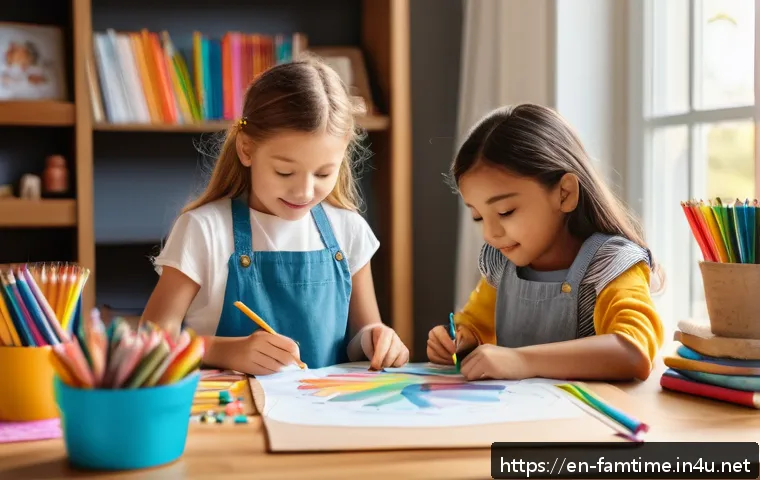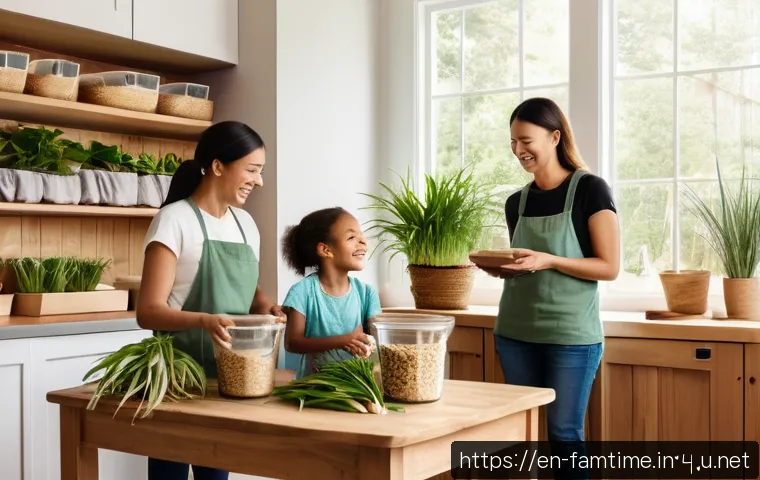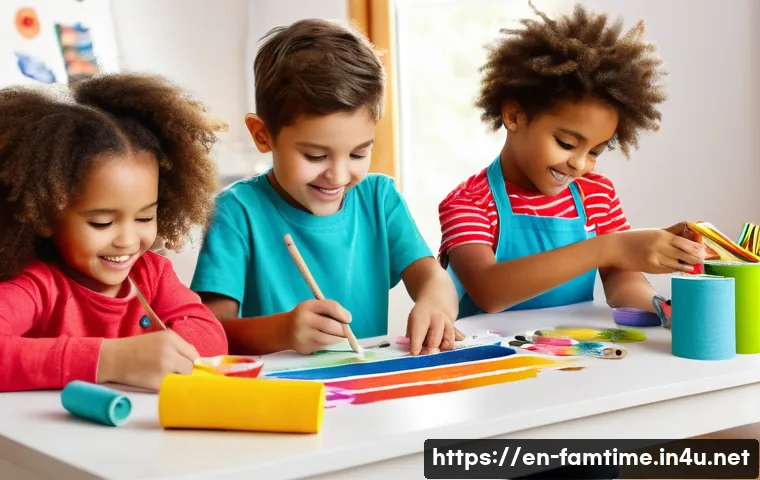
Spending quality time with your kids while teaching them about sustainability is a rewarding experience. Recycling DIY projects not only spark creativity but also instill important environmental values from a young age.

These hands-on activities transform everyday waste into fun, useful items, making learning both practical and enjoyable. Plus, it’s a fantastic way to bond and create lasting memories together.
If you’re looking to combine education, fun, and eco-consciousness all in one, this is the perfect place to start. Let’s dive in and explore the best ideas for your next family recycling adventure!
Creative Upcycling Ideas That Kids Will Love
Turning Toilet Paper Rolls into Fun Craft Supplies
One of the easiest and most satisfying projects to start with is using empty toilet paper rolls. These simple cylinders can become so many things—from binoculars for pretend play to colorful pencil holders or even little animals.
I remember doing this with my kids; they were fascinated by how something so plain could transform into a pirate telescope or a little owl with just some paint, googly eyes, and markers.
Plus, it’s a great way to teach them that everyday trash can have a second life instead of just going to the landfill. It encourages imagination while subtly reinforcing recycling habits.
Old T-Shirts Turned into Reusable Tote Bags
Instead of tossing out worn-out t-shirts, why not cut and tie them into no-sew reusable bags? This project is a win-win: it reduces textile waste and gives your child a sense of accomplishment in making something useful.
When I tried this with my niece, she loved picking her favorite shirts and deciding on the colors for the handles. It also sparked a conversation about how plastic bags harm the environment and why reusing materials matters.
The best part is that these bags are super practical for grocery runs or carrying toys, making sustainability a part of everyday life.
Glass Jars Repurposed as Planters or Storage Containers
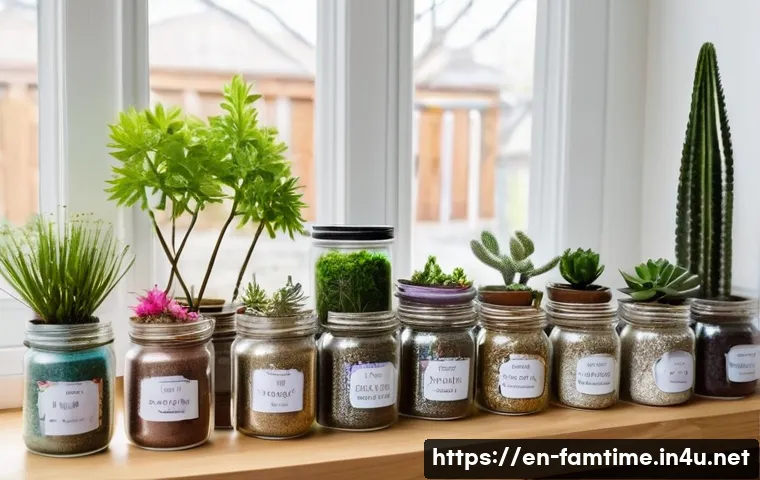
Glass jars are everywhere in kitchens, and they’re perfect for upcycling. Painting or decorating jars with kids can turn them into charming planters for herbs or succulents, which is a simple way to introduce children to the idea of growing their own food and caring for plants.
If planting isn’t your thing, these jars can be storage containers for small toys, craft supplies, or even homemade candles. From my experience, the hands-on nature of decorating jars helps kids connect emotionally with their projects, making them more likely to appreciate the value of reusing items.
Simple Science Lessons Through Recycling Crafts
Exploring Material Properties with Recycled Items
Using recycled materials to create crafts offers an unexpected gateway into basic science lessons. For example, when making bird feeders from plastic bottles, you can talk about plastic types, durability, and environmental impact.
I noticed that when my son helped cut and assemble the feeder, he started asking questions about why some plastics float and others don’t, which opened up a fascinating discussion about density and recycling symbols.
These small scientific explorations make the learning process hands-on and memorable, far beyond just crafting.
Understanding Decomposition and Waste Management
Another powerful lesson comes from comparing how different materials break down over time. You can create a small compost bin for organic waste or bury various materials in a clear container to observe decomposition.
My daughter was amazed to see how quickly paper and food scraps decomposed compared to plastic or metal. This practical demonstration really drove home the importance of reducing plastic use and choosing biodegradable options whenever possible.
It’s a great way to instill environmental responsibility with real-world evidence.
Teaching Energy Conservation Through Upcycled Toys
Creating toys from recycled materials can also be a subtle way to discuss energy conservation. For instance, building a simple windmill from cardboard and bottle caps allows you to explain how wind energy works.
When we made one at home, my kids were thrilled to see it spin and understood that using wind power reduces the need for electricity from fossil fuels.
This type of project not only promotes creativity but also introduces kids to renewable energy concepts in a fun, interactive way.
Organizing Your Recycled Craft Supplies Efficiently
Sorting Materials by Type and Size
Keeping your recycled supplies organized can make crafting sessions smoother and more enjoyable. I found that sorting materials into clear bins by type—paper, plastic, fabric, metal—helps kids quickly find what they need and reduces frustration.
Labeling bins with pictures or words also encourages independent clean-up and teaches organizational skills. When my kids could easily grab the right supplies, their enthusiasm for projects increased, and it saved me from the usual chaos of scattered scraps everywhere.
Creating a Dedicated Craft Space
Having a specific spot for your recycling crafts, whether it’s a corner of a room or a portable cart, sets a creative tone and makes cleanup easier. We converted a small table near a window into our “eco-craft station,” and it became a go-to place for weekend activities.
This dedicated space helps kids associate that area with fun and learning, and it keeps all the mess contained. Plus, it’s a great reminder for them to take care of their environment both inside and outside the home.
Maintaining Supplies and Encouraging Replenishment
It’s important to regularly check your recycled materials to ensure they’re safe and usable. Sharp edges, moldy fabrics, or broken pieces can be a hazard, especially with younger children.
I keep a checklist and review supplies before each project, involving the kids in the process to teach responsibility. Encouraging them to collect certain recyclables from home or friends also promotes environmental awareness and gives them a sense of contribution.
This habit keeps the crafting experience positive and sustainable.
Encouraging Eco-Friendly Habits Beyond Crafting
Incorporating Recycling Practices in Daily Life
Craft projects are just the beginning. To reinforce sustainability, it’s helpful to integrate simple recycling habits into your family’s routine. For example, setting up labeled bins for paper, plastics, and compost in the kitchen makes it easy for kids to participate.
I noticed that when my children were involved in sorting waste, they became more conscious of their consumption and waste generation. It’s a subtle but powerful shift that extends the lessons from crafts into everyday behavior.
Promoting Secondhand Shopping and Gift-Giving
Another way to nurture eco-consciousness is by encouraging secondhand shopping or gifting recycled crafts to friends and family. When kids see that treasures can come from thrift stores or handmade items, they learn to value resourcefulness over newness.
We often gift our upcycled creations during holidays, and the personal touch combined with sustainability makes those gifts even more special. This practice also opens up conversations about consumerism and mindful purchasing.
Supporting Local Environmental Initiatives Together
Taking your child to local recycling centers, community clean-ups, or sustainability workshops reinforces the importance of collective action. I took my kids to a neighborhood event where they could see how recyclables are processed and even participate in planting trees.
These experiences create lasting impressions that complement home lessons. It also demonstrates that sustainability isn’t just a hobby but a shared responsibility, inspiring children to become environmental stewards.
Comparing Popular Recycled Craft Projects for Kids
| Project | Materials Needed | Skills Developed | Environmental Benefit |
|---|---|---|---|
| Toilet Paper Roll Animals | Empty rolls, paint, googly eyes, markers | Creativity, fine motor skills | Reduces paper waste |
| Reusable T-Shirt Bags | Old t-shirts, scissors | Cutting skills, sewing basics (optional) | Reduces plastic bag use, textile waste |
| Glass Jar Planters | Glass jars, paint, soil, seeds | Plant care, responsibility | Promotes plant growth, reuses glass |
| Plastic Bottle Bird Feeders | Plastic bottles, string, scissors | Assembly, problem-solving | Repurposes plastic, supports wildlife |
| Cardboard Windmills | Cardboard, bottle caps, glue, sticks | Engineering basics, creativity | Reuses cardboard, teaches renewable energy |
Making Recycling Fun: Tips to Keep Kids Engaged
Adding Personal Touches to Each Project
When kids can add their own flair—whether it’s choosing colors, patterns, or themes—they’re more invested in the project. I’ve seen how my daughter’s excitement soared when she got to paint her recycled jar with glitter and stickers, making it uniquely hers.
Personalization turns simple crafts into treasured keepsakes and makes the sustainability lesson feel more meaningful.
Incorporating Storytelling and Imaginative Play
Pairing crafts with stories or role-playing amplifies engagement. For example, after making animal figures from recycled materials, we created a little storybook featuring them as forest heroes protecting their environment.
This approach deepens understanding by connecting creativity with narrative, making the environmental message stick in a fun, memorable way.
Setting Achievable Goals and Celebrating Success
Breaking projects into small, manageable steps helps kids feel successful and avoids overwhelm. After completing each stage, praising their effort rather than just the result encourages persistence.
I like to display finished crafts around the house as trophies of their hard work, which boosts confidence and reinforces the pride that comes from helping the planet.
Wrapping It Up
Upcycling with kids is a wonderful way to blend creativity, learning, and environmental responsibility. These projects not only spark imagination but also instill valuable lessons about sustainability. By turning everyday items into fun crafts, children develop skills and a deeper appreciation for reusing resources. It’s rewarding to see them proud of their creations while understanding their positive impact on the planet.
Useful Tips to Keep in Mind
1. Always choose safe and clean materials for crafting to ensure a worry-free experience for kids.
2. Encourage children to personalize projects—it boosts their interest and connection to the craft.
3. Use craft time as an opportunity to discuss broader environmental topics in simple, relatable ways.
4. Keep supplies organized by type and size to make crafting sessions more efficient and enjoyable.
5. Celebrate small achievements to motivate kids and reinforce their commitment to eco-friendly habits.
Key Takeaways
Consistent encouragement and involvement are essential to nurture eco-conscious behaviors in children. Practical, hands-on projects paired with real-life examples help solidify important environmental concepts. Establishing an organized crafting space and safe materials promotes positive experiences that children look forward to. Lastly, integrating sustainability into daily life ensures these lessons extend beyond crafts, shaping lifelong responsible habits.
Frequently Asked Questions (FAQ) 📖
Q: What are some easy recycling DIY projects to do with kids?
A: One of the best things about recycling DIY projects is that many are simple and use items you already have at home. For example, turning old jars into colorful pencil holders or creating bird feeders from used plastic bottles are fun starters.
These projects don’t require fancy tools, making them perfect for kids of all ages. I’ve found that involving children in choosing the project sparks their enthusiasm and helps them feel proud of their eco-friendly creations.
Q: How can I keep my kids engaged while teaching them about sustainability through these projects?
A: Keeping kids engaged is all about making the experience interactive and relatable. I like to share little stories about why recycling matters or how certain materials can harm the environment if not reused.
Adding a playful challenge, like a “recycling treasure hunt” for materials or decorating their finished projects, really boosts their interest. From my experience, praising their efforts and explaining the positive impact they’re making encourages a lasting passion for sustainability.
Q: Are there any safety tips to consider when doing recycling crafts with children?
A: Absolutely, safety is key! Always supervise kids, especially when using scissors, glue guns, or paint. Choose non-toxic, child-friendly materials and avoid small parts that could be choking hazards for younger children.
I also recommend setting up a clean workspace with easy-to-clean surfaces to keep things stress-free. From what I’ve seen, teaching kids to handle tools carefully while having fun builds their confidence and ensures a safe, enjoyable crafting session.