In a world where screen time often dominates family moments, finding creative ways to connect is more important than ever. That’s why making your own picture books together can be such a magical experience—it sparks imagination, strengthens bonds, and creates lasting memories.
Whether you’re looking for a fun weekend project or a unique way to nurture your child’s storytelling skills, this DIY guide offers simple, engaging steps to craft personalized storybooks at home.
Let’s dive into a hands-on adventure that turns your family’s ideas into vibrant pages filled with wonder and creativity. Ready to transform ordinary moments into extraordinary tales?
Keep reading to discover how!
Gathering Inspiration and Materials for Your Storybook
Choosing a Theme That Resonates with Everyone
Picking a theme that excites both you and your kids is the first step to crafting a memorable picture book. Maybe your child loves animals, outer space, or fairy tales — whatever sparks their curiosity will fuel their enthusiasm throughout the project.
I’ve found that involving kids in theme selection makes them feel more invested, and it’s amazing to watch their imaginations take off once they know what story they want to tell.
Sometimes, themes emerge naturally from everyday life—like a family pet’s antics or a recent adventure—adding a personal touch that deepens the story’s meaning.
Gathering Supplies Without Breaking the Bank
You don’t need fancy art materials to create something special. Basic supplies like colored pencils, markers, construction paper, glue sticks, and a stack of blank pages are often enough to get started.
If you want to add texture, consider using scraps of fabric, stickers, or recycled magazines for collage elements. I like to keep a box of assorted craft materials handy at home, so whenever inspiration strikes, we’re ready to dive in.
This approach also teaches kids resourcefulness, showing them how everyday items can become part of a creative masterpiece.
Creating a Cozy, Distraction-Free Workspace
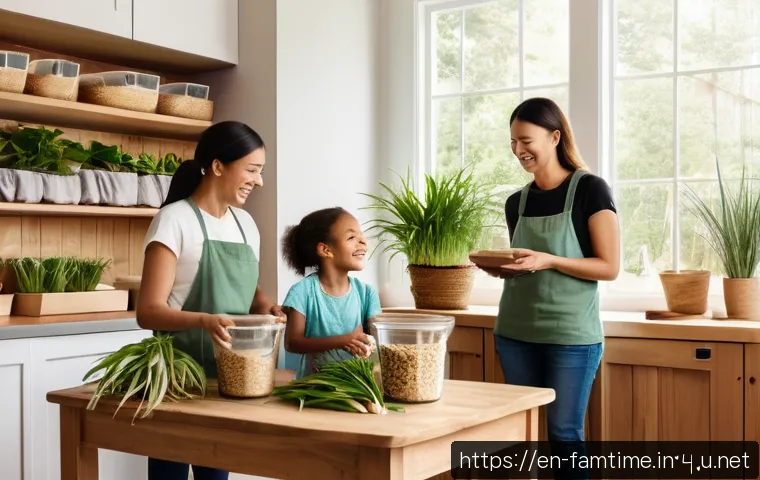
Setting up a dedicated spot for your storybook project can work wonders for focus and fun. Whether it’s a corner of the kitchen table or a cozy nook with cushions, having a consistent place encourages routine and makes the activity feel special.
I’ve noticed that when screens are put aside and all family members gather around with their materials, the energy shifts positively—everyone feels more connected and engaged.
Plus, it’s easier to keep track of supplies and the progress of the book when everything is in one place.
Building a Story Framework Together
Brainstorming Characters and Plot Elements
Once the theme is set, brainstorming is the moment where creativity explodes. We usually start by listing characters, settings, and potential plot twists on a big sheet of paper.
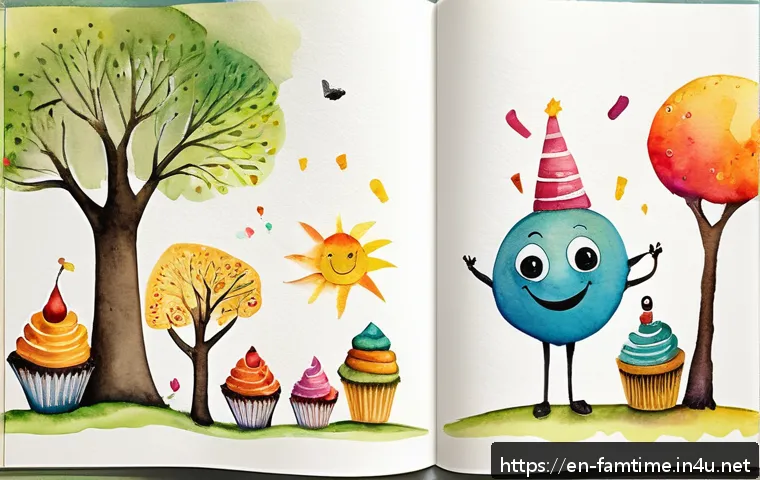
Sometimes, my kids come up with the quirkiest ideas—talking trees or adventurous cupcakes—that end up making the story truly unique. Encouraging wild ideas without judgment fosters confidence and makes storytelling feel like a safe, imaginative playground.
I try to ask open-ended questions like “What if…?” or “How would that work?” to keep the flow going.
Structuring Your Story for Young Readers
A simple structure helps keep the story clear and enjoyable. Typically, we break it down into a beginning that introduces characters and setting, a middle where the main event or conflict happens, and an ending that wraps things up.
This familiar pattern makes it easier for kids to follow along and even retell the story themselves. From experience, keeping sentences short and incorporating repetition or rhymes can make the book more engaging for early readers and listeners alike.
Drafting the Story with Flexibility
I always emphasize that the first draft doesn’t have to be perfect. We jot down ideas freely, and sometimes the story evolves as we write. This approach reduces pressure and invites spontaneous creativity.
When my kids see that revisions are part of the process, they become less afraid of making mistakes and more excited to improve their work. It’s also a great opportunity to introduce basic editing skills in a fun, supportive environment.
Illustrating Your Story with Heart
Encouraging Expressive and Simple Drawings
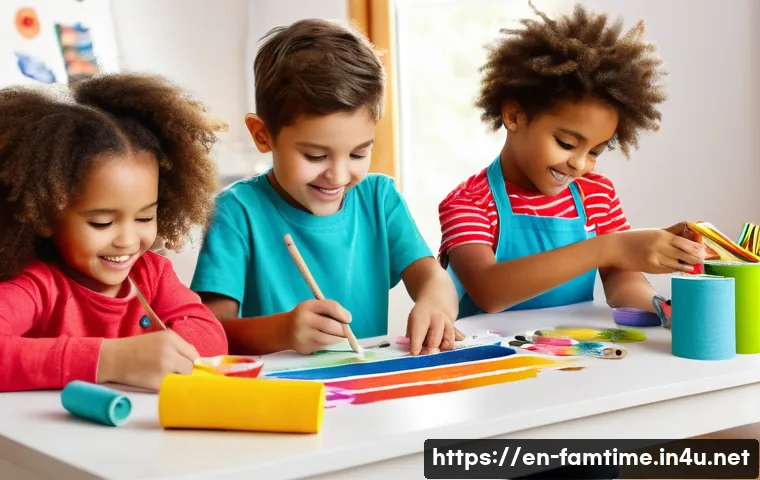
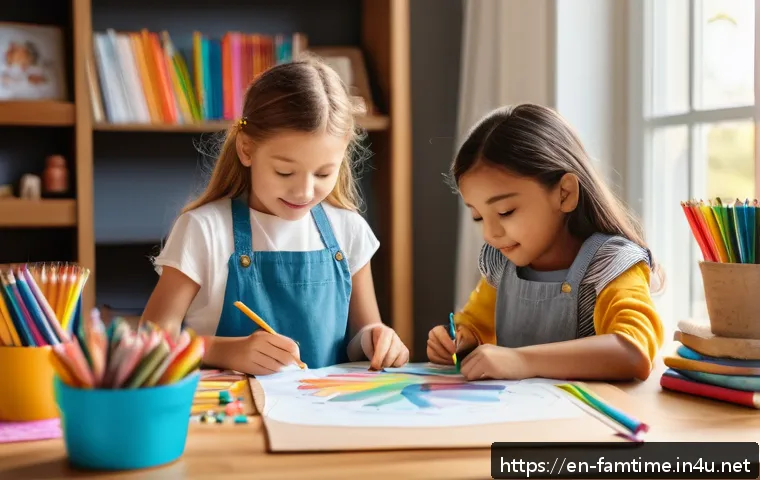
You don’t need to be a professional artist to create charming illustrations. I encourage my children to draw what they imagine, even if it looks a bit rough or abstract.
Sometimes, their bold use of color and quirky shapes capture the story’s spirit better than anything polished could. The goal is to let their personalities shine through each page, making the book feel truly theirs.
Plus, these drawings often spark laughter and fond memories when we look back at the finished book.
Mixing Media for Added Texture and Interest
Combining different art materials like crayons, watercolors, or collages can make the pages pop and keep the creative energy high. One time, we used torn magazine pictures alongside watercolor backgrounds, which gave the illustrations a playful, layered look.
It’s fun to experiment and see what combinations work best. This variety also teaches kids about artistic expression and how different tools can evoke different moods or details in a story.
Aligning Text and Images Harmoniously
Balancing where the text sits relative to the illustrations is key for readability and flow. We usually plan this by sketching rough layouts before finalizing drawings or writing text.
I’ve noticed that leaving some white space around text helps it stand out without overwhelming the artwork. Sometimes, my kids surprise me by wanting the words to wrap around a drawing or be part of the image itself, which turns into a fun design challenge we tackle together.
Binding and Presenting Your Masterpiece
Simple Techniques for DIY Bookbinding
Binding doesn’t have to be complicated. We often use staples along the spine or punch holes and tie the pages with colorful yarn or ribbon. These methods are easy for kids to help with and give a handcrafted feel to the book.
Occasionally, we fold large sheets accordion-style to create a continuous page flow, which kids love flipping through. The physical act of binding adds a sense of accomplishment and makes the story feel complete.
Designing a Cover That Invites Readers In
The cover is your storybook’s first impression, so we spend extra time making it eye-catching. Using bright colors, bold lettering, and a small illustration that hints at the story inside can be very effective.
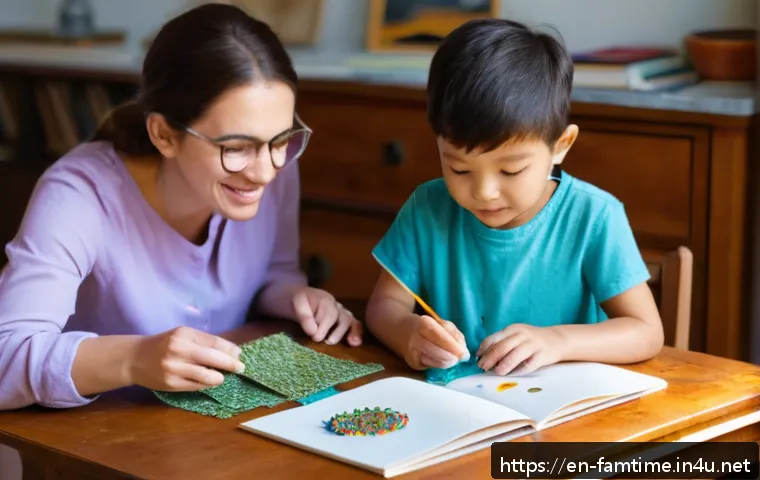
I’ve learned that letting kids name their book and decorate the cover themselves boosts their pride and ownership. Sometimes, they include their handprints or a family photo, making the cover a true keepsake.
Sharing Your Storybook with Loved Ones
Once the book is finished, sharing it creates an unforgettable moment. We often read it aloud during family gatherings or gift it to grandparents and close friends.
Watching my children’s faces light up as their stories are celebrated is priceless. It also encourages them to keep creating, knowing their ideas matter and bring joy to others.
Plus, these books become treasured family heirlooms, capturing a snapshot of childhood creativity and love.
Incorporating Learning and Developmental Benefits
Enhancing Language Skills Through Storytelling
Making picture books together naturally boosts vocabulary, sentence structure, and narrative understanding. Kids learn how to organize thoughts, describe scenes, and express emotions in words.
From my experience, this hands-on storytelling practice often improves their confidence in speaking and writing, extending beyond the project itself. It’s a subtle but powerful way to nurture literacy while having fun.
Fostering Emotional Intelligence and Empathy
Creating characters and scenarios encourages children to explore feelings and perspectives different from their own. When they invent challenges for their characters to overcome, they’re also practicing problem-solving and emotional regulation.
I’ve seen how this imaginative play helps kids better understand their emotions and those of others, which is an invaluable life skill.
Building Fine Motor Skills and Patience
The physical act of drawing, cutting, gluing, and assembling pages hones fine motor coordination and hand strength. It also teaches kids patience and perseverance, as completing a book requires sustained effort over time.
From what I’ve observed, this combination of creative and physical engagement makes the activity satisfying and developmentally rich.
Tips for Keeping the Momentum Going
Setting Realistic Goals and Celebrating Progress
Breaking the project into manageable steps—like brainstorming, drafting, illustrating, and binding—helps maintain enthusiasm without overwhelming anyone.
I like to celebrate each milestone, whether it’s finishing a page or coming up with a clever plot twist. This positive reinforcement keeps everyone motivated and highlights the joy of creation over perfection.
Involving All Family Members in Different Roles
Assigning roles based on interests or strengths can make the process smoother and more inclusive. Sometimes one child prefers writing while another loves drawing, and parents can help with binding or idea development.
I’ve found that this teamwork not only speeds up the project but also strengthens family bonds and communication.
Preserving and Revisiting Your Storybooks
Storing completed books in a special box or on a dedicated shelf encourages kids to revisit their work and share it with new audiences. Over time, these collections become a visual diary of their growth and creativity.
I often find myself pulling out old books to read with my kids, sparking nostalgia and inspiring new stories to create together.
| Step | Activity | Materials Needed | Benefits |
|---|---|---|---|
| 1 | Theme Selection | Paper, pencils, brainstorming chart | Boosts engagement, sparks imagination |
| 2 | Story Framework | Blank pages, pens | Develops narrative skills, organization |
| 3 | Illustration | Colored pencils, markers, collage materials | Enhances creativity, fine motor skills |
| 4 | Binding | Stapler, yarn, scissors | Encourages teamwork, builds patience |
| 5 | Sharing | Finished book | Boosts confidence, strengthens family bonds |
Wrapping Up
Creating a storybook with your kids is a rewarding journey that nurtures creativity, communication, and confidence. It’s more than just making a book—it’s about building memories and encouraging imagination to flourish. By involving children in every step, from theme selection to sharing the final masterpiece, you foster a love for storytelling that can last a lifetime.
Useful Information to Keep in Mind
1. Setting up a simple, distraction-free workspace can greatly improve focus and enjoyment during the creative process.
2. Using everyday materials creatively not only saves money but also teaches children resourcefulness and innovation.
3. Encouraging open-ended brainstorming helps children feel safe to express wild ideas, boosting their confidence and creativity.
4. Breaking the project into manageable steps and celebrating small wins keeps motivation high and the experience positive.
5. Sharing completed storybooks with family and friends strengthens bonds and encourages ongoing creativity and pride in their work.
Key Takeaways
Involving children actively in storytelling projects enhances their language skills and emotional intelligence while developing fine motor skills and patience. Keeping the process flexible and fun encourages creativity without pressure, and simple DIY techniques make the project accessible and enjoyable for the whole family. Most importantly, these shared creative moments foster lasting connections and a deep appreciation for storytelling.
Frequently Asked Questions (FAQ) 📖
Q: What materials do I need to make a picture book with my child at home?
A: You don’t need much to get started! Basic supplies like blank paper or a small notebook, colored pencils, markers, glue, and scissors are perfect. You can also use recycled materials like old magazines for collage elements or stickers to add fun details.
The key is to keep it simple and let your child’s creativity take the lead. I found that having a variety of textures and colors on hand really inspires imaginative storytelling.
Q: How can making picture books together improve my child’s storytelling skills?
A: Creating picture books encourages kids to think about story structure—beginning, middle, and end—in a fun, hands-on way. When your child draws and narrates their story, they practice organizing ideas and expressing emotions.
Plus, discussing the story as you go builds their vocabulary and boosts confidence. From my experience, the collaborative process sparks lots of “what if” questions that deepen their creative thinking naturally.
Q: What if my child isn’t interested in writing or drawing—how can I keep them engaged?
A: That’s totally normal! Try making the process playful and pressure-free. Use storytelling games like “draw a character and guess their adventure” or record your child telling the story while you illustrate.
Sometimes acting out scenes or using toys to create story prompts helps too. I noticed that when kids feel it’s about fun rather than perfection, they open up and get excited to share their unique ideas in their own way.