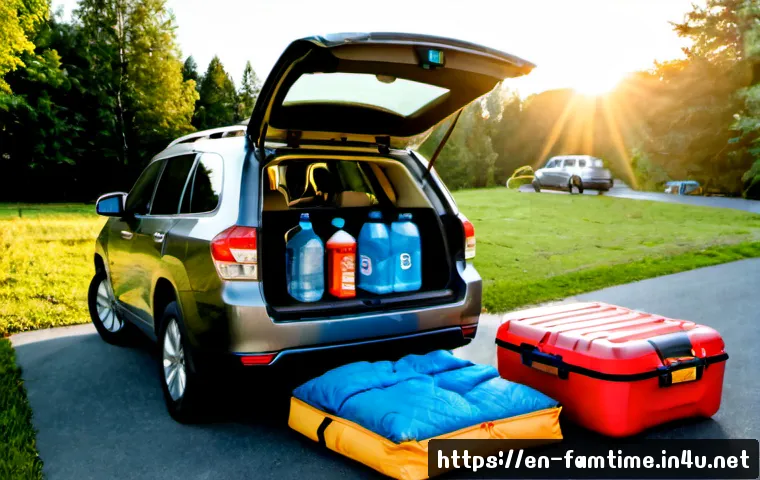
Family car camping works best when you protect seating safety first, keep sleep gear dry, and pack only what your vehicle can carry safely. For most one- or two-night trips, a first-aid kit, drinking water, charged phone, route plan, weather-ready layers, and secure sleeping arrangements matter more than comfort extras.
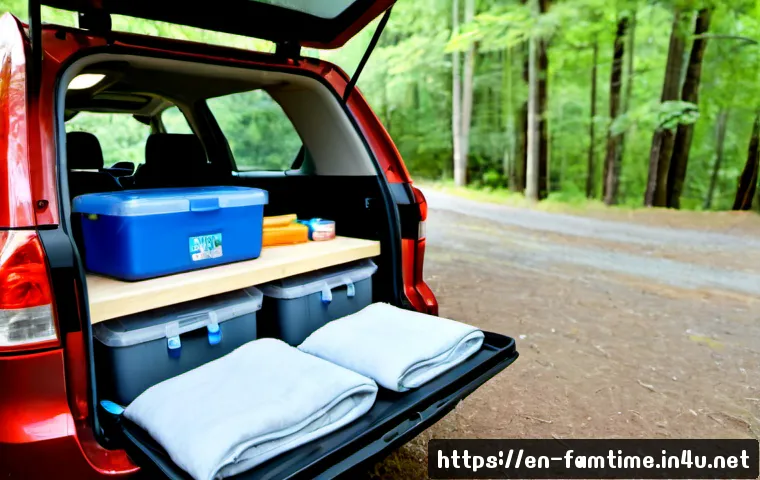
A roof cargo box, portable power station, and larger shelter can be useful purchases, but only when they fit your vehicle, trip frequency, and campground plan.
Renting or borrowing bulky gear can make more sense for an occasional family trip. Check your owner’s manual, child-seat instructions, campground rules, and the forecast close to departure.
At a Glance
- Safety comes first: keep child restraints correctly installed, secure loose cargo, and follow vehicle-specific load guidance.
- Start small: dry sleep gear, water, first aid, food storage, and rain protection are more important than premium camping accessories.
- Buy selectively: compare compatibility, storage space, rental options, and total trip cost before choosing a roof cargo box or portable power station.
| Item | Worth Buying When | When Renting or Borrowing Makes Sense | Space Required | Key Fit Checks |
|---|---|---|---|---|
| Roof cargo box | You camp or take road trips often and regularly run out of enclosed cargo space. | You need extra room for one occasional trip. | Roof space and off-season storage at home. | Vehicle roof-load guidance, rack compatibility, cargo-box fit, and access to doors or hatch. |
| Portable power station | Your family needs organized power away from campground outlets. | You are testing whether portable power changes your camping routine. | Enclosed vehicle space and a protected charging location. | Capacity needs, charging method, device compatibility, and campground generator rules. |
| Large family shelter | You expect repeated trips in changing weather or need more covered space. | You are unsure about size, setup time, or vehicle packing space. | Trunk space plus campsite footprint. | Sleeping capacity, weather protection, campsite rules, and whether it fits your family’s sleep plan. |
| In-car organizers | You want frequently used items reachable without unloading the whole vehicle. | Usually unnecessary; bins or bags may already work. | Seat-back, footwell, or cargo-area space. | They must not interfere with child restraints, passenger space, or safe visibility. |
What a Family Car Camping Setup Actually Needs
Three priorities: safe seating, dry sleep, and easy access to essentials
A family car camping setup does not need to be elaborate. It needs to keep every passenger seated safely, provide a dry place to sleep, and make essentials easy to reach. Start with child-seat space, secure cargo, and weather protection before adding comfort upgrades. Loose items can become hazards during sudden braking or a collision, so do not treat open seat space as extra storage.
Keep emergency supplies accessible rather than buried under bedding. A first-aid kit, drinking water, a charged phone, and a route plan belong in a known location. This simple approach also makes arrival less stressful when children are tired or conditions change.
The minimum packing list for a one- or two-night trip
Pack sleep gear that suits your family’s planned arrangements, layers for changing temperatures, rain protection, drinking water, food, a cooler if needed, basic lighting, and emergency basics. Add child-specific items such as familiar bedtime supplies, suitable clothing, and any necessary dietary items. Keep food, clothing, sleep gear, and emergency supplies in separate zones so one item does not require unloading everything else.
Comfort upgrades that are optional, not essential
A roof cargo box, oversized tent, camp furniture, portable power station, and elaborate kitchen setup can improve comfort, but they are not the starting point. Consider them after the essentials fit safely. If a comfort item forces loose cargo into the passenger area or makes child-seat access harder, it is not a good upgrade for that trip.
Compare Gear by Value, Vehicle Space, and Trip Frequency
Buying, renting, or borrowing: a practical decision table
Use frequency and storage as your first filters. Buying family camping gear can be practical when it will be used repeatedly and stored safely at home. Renting or borrowing is often a sensible way to test a roof cargo carrier, larger shelter, or portable power station without committing to a bulky item. Skipping an item is the right choice when it adds packing complexity without solving a clear problem.
Roof cargo boxes, hitch carriers, and in-car organizers: compatibility checks
Before comparing roof cargo storage, read the vehicle owner’s manual for guidance on passengers, cargo, roof loads, towing, and tire pressure. A roof cargo box or hitch carrier is not automatically suitable just because it appears to fit. Confirm the vehicle-specific limits, attachment compatibility, and whether the loaded setup affects access, visibility, or safe passenger space.
For many families, simple organizers are more useful than another large carrier. Use contained bags or bins for clothing, food, and camp supplies. Secure them so they cannot shift. Keep the cabin clear around children and avoid placing gear where it interferes with restraints or passenger movement.
Shelter, sleeping pads, coolers, and portable power: where families get the most value
Value comes from matching equipment to the trip. A shelter can matter most when rain, sun, or bedtime routines require a protected space. A cooler matters when your meal plan depends on cold food and you can manage ice and food storage. A portable power station is useful when you have a specific charging need away from an outlet; for a short trip with basic phone charging, a charged power bank may be enough.
Pack the Car Safely and Set Up Camp Without Chaos
Check payload, roof limits, tire condition, and child-seat space before loading
Check the owner’s manual before loading the vehicle. Vehicle limits for passengers, cargo, roof loads, towing, and tire pressure are vehicle-specific. Install and use child restraints according to the seat manufacturer’s instructions and applicable local laws. Do these checks before adding a cargo box, trailer, or extra camping equipment.
Use zones for food, sleep gear, clothing, and emergency supplies
Create four simple packing zones: food, sleep, clothing, and emergency supplies. Put the first-night sleep items where they can be removed first. Keep rain gear and warm layers within reach. Store food according to campground requirements, and review campground rules for food storage before leaving home.
Avoid common mistakes with loose cargo, fuel-burning gear, and overnight parking
Do not leave loose items in the cabin. Do not use fuel-burning stoves, grills, or heaters inside an enclosed vehicle or tent. Carbon monoxide is odorless, so enclosed use creates a serious hazard. Also confirm campground parking and overnight rules before arrival rather than assuming that every parking area permits overnight use.
Adjust the Plan for Your Family and Campsite
Young children: bedtime routines, shade, sanitation, and quick-access supplies
Children usually benefit from a predictable arrival routine. Set up sleep space early, keep familiar bedtime items easy to find, and plan for shade and sanitation based on the campground’s available amenities. Keep water, wipes or other suitable cleanup supplies, weather layers, and a flashlight accessible for nighttime needs.
Rain, heat, and cold-weather changes to make before leaving home
Weather can change rapidly, so check the forecast close to departure. Pack layers and rain protection rather than relying on one outfit per day. In wet conditions, prioritize keeping bedding dry. In warm conditions, plan shade and hydration. In colder conditions, reassess whether the planned sleep setup is appropriate for your family.
Developed campgrounds versus dispersed camping: amenities, rules, and preparation differences

Developed campgrounds may have amenities, reservations, parking rules, quiet hours, fire rules, food-storage guidance, and generator restrictions. Dispersed camping may require more self-sufficiency and different preparation. Do not assume rules are the same from one site to another. Check the specific campground or land-management guidance before booking or departing.
Plan Food, Power, and Overnight Comfort
Choose a cooler and meal plan based on trip length and ice management
Build meals around what you can store and prepare safely with the cooler space available. A short trip may need only simple meals and ice management, while a longer stay can require more planning. Keep the meal plan realistic: fewer ingredients and fewer cooking steps often mean less clutter in the vehicle and at camp.
When a portable power station is useful—and when a charged power bank is enough
A portable power station can be worth comparing if your family needs a managed power source for more than basic phone charging. Review capacity, device compatibility, charging options, storage space, and campground rules before choosing one. If your needs are limited to a charged phone and small personal devices, a power bank may keep the setup simpler.
Keep lighting, ventilation, and nighttime bathroom trips simple
Place lighting where it can be found without searching through bags. Keep walkways clear around sleep areas. Plan nighttime bathroom access based on the campground layout and your children’s needs. Ventilation should never involve using a fuel-burning heater, stove, or grill inside an enclosed vehicle or tent.
Selection Criteria and Comparison Summary
Match gear to vehicle limits, family size, season, and campground amenities
The best family camping gear is not always the largest option. Match each item to vehicle limits, passenger needs, season, campsite conditions, and available amenities. A compact setup may be more practical than a larger one if it leaves the cabin safer and makes camp setup faster.
Estimate total cost: campsite, fuel, gear rental, purchases, and food
Compare the complete trip cost rather than focusing on one product. Include campsite charges, fuel, food, gear rental, optional purchases, and any reservation conditions that apply. Fees, availability, and cancellation policies vary, so review the current details before committing.
Final pre-departure checklist for safe, low-stress family car camping
Confirm the route plan, weather forecast, campground rules, reservation details, vehicle load guidance, child-seat setup, drinking water, first-aid kit, phone charge, and dry sleep gear. Then ask one final question: does every item have a safe place in or on the vehicle? If not, remove nonessential gear before departure.
Selection Criteria and Comparison Summary
Before choosing a roof cargo box, portable power station, shelter, or campground reservation, compare:
- Vehicle compatibility: passenger, cargo, roof-load, towing, and tire guidance from the owner’s manual.
- Family fit: child-seat access, sleep arrangements, medical or dietary needs, and quick-access supplies.
- Weather readiness: layers, rain protection, dry bedding, shade, and forecast changes.
- Campsite rules: parking, fires, food storage, quiet hours, generators, and reservation terms.
- Total trip cost: campsite, fuel, food, rentals, and purchases.
Compare capacity, compatibility, and total trip cost on the relevant product or campground page before booking or buying.
Closing Thoughts
A good family car camping trip starts with fewer assumptions and better checks. Pack for safe seating, dry sleep, basic emergency readiness, and the weather you may actually face. Add storage and power upgrades only when they solve a clear problem without compromising vehicle safety. A smaller, organized setup is often easier for families than a vehicle packed to the limit.
Useful Things to Know
1. Campground rules can differ for fires, food storage, generators, parking, quiet hours, and reservations.
2. A vehicle owner’s manual is the right starting point for vehicle-specific cargo and roof-load guidance.
3. Carbon monoxide is odorless, so fuel-burning equipment should never be used inside an enclosed vehicle or tent.
4. Check the forecast close to departure because conditions can change quickly.
Important Notes
Exact campsite fees, reservation availability, cancellation terms, local fire restrictions, wildlife guidance, and campground rules must be checked for your specific destination. Confirm that any roof carrier, power station, tent, or other accessory fits your vehicle and family’s needs. Individual child sleep arrangements, medical needs, and dietary restrictions require family-specific planning.
Frequently Asked Questions
Q1. What are the most important items to bring for family car camping?
A1. Start with safe child restraints, secure cargo, dry sleep gear, layers and rain protection, drinking water, a first-aid kit, a charged phone, and a route plan. Add food storage and lighting based on your campground and trip plan.
Q2. Is a roof cargo box worth buying for a family camping trip?
A2. It can be worthwhile if your family takes frequent trips and regularly needs more enclosed cargo space. For a single trip or occasional use, renting, borrowing, or simplifying the packing list may be more practical. Always confirm roof-load guidance and carrier compatibility first.
Q3. How much should a family budget for a weekend car camping trip?
A3. Build the budget around the current campsite charge, fuel, food, any gear rental, and optional purchases. Reservation availability and cancellation policies vary, so check the destination’s current details before finalizing the plan.