As climate conversations heat up worldwide, many families are eager to play their part without feeling overwhelmed. Embracing eco-friendly habits doesn’t mean drastic lifestyle changes; small, thoughtful actions can ripple into significant environmental benefits.

Imagine transforming your daily routines into greener choices that not only help the planet but also bring your family closer together. In this post, I’ll share practical, easy-to-implement tips that have worked wonders in my own household.
Whether you’re a beginner or looking to deepen your sustainable journey, these simple shifts can create lasting positive impact. Let’s explore how everyday habits can lead to a healthier home and a happier Earth.
Making Sustainable Choices in Everyday Shopping
Choosing Eco-Friendly Products
When I started paying attention to the labels on everyday items, it became clear that many products claim to be “green” but aren’t always what they seem.
I learned to look for certifications like USDA Organic, Fair Trade, or those indicating recycled materials. Switching to products with minimal packaging or made from renewable resources has been surprisingly easy and even budget-friendly.
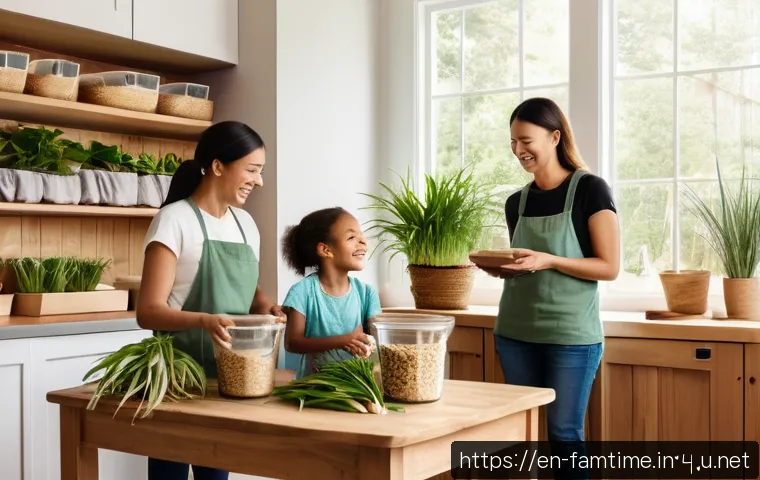
For example, buying bulk nuts and grains in reusable containers not only cuts down plastic waste but often saves money in the long run. It’s a simple shift that made me feel more connected to what I consume and how it impacts the planet.
Supporting Local and Seasonal Markets
Shopping at local farmers’ markets has become a weekend ritual in our family. Not only does it reduce the carbon footprint linked to long-distance food transport, but it also helps us appreciate seasonal produce.
I noticed that fruits and vegetables picked fresh taste so much better, and my kids love hearing the stories behind the farms. Supporting local growers also means encouraging sustainable farming practices in our community.
This choice has turned grocery shopping into a fun, educational experience for all of us.
Smart Meal Planning to Reduce Waste
One challenge we faced was food waste piling up at home. I started planning meals around what was already in the fridge and freezer, which cut down on unnecessary purchases.
Using apps that track expiration dates or help create recipes based on available ingredients has been a game-changer. This practice not only saves money but also reduces the amount of food that ends up in the trash.
Plus, it encourages creativity in cooking and involves the whole family in deciding what to eat.
Transforming Household Energy Use
Simple Steps to Lower Energy Consumption
I was amazed by how small changes around the house can add up to noticeable energy savings. Turning off lights when leaving a room, unplugging devices that aren’t in use, and using energy-efficient LED bulbs all contribute to lowering our electricity bill.
Installing smart power strips that cut power completely rather than leaving devices in standby mode has also been effective. These habits, once integrated into daily routines, became second nature and made me feel like we were doing our part without any hassle.
Investing in Renewable Energy Options
For those ready to take a bigger step, exploring renewable energy like solar panels can be worthwhile. After researching local incentives and rebates, I realized that the upfront cost could be offset by long-term savings and environmental benefits.
Even if a full solar setup isn’t feasible, some communities offer green energy programs where you can opt to have your electricity sourced from renewables.
Knowing that our home energy use supports cleaner power sources gives a real sense of contribution toward a sustainable future.
Optimizing Heating and Cooling Efficiency
Heating and cooling typically account for a large chunk of household energy use. I learned that regular maintenance of HVAC systems, sealing windows and doors, and using programmable thermostats can significantly improve efficiency.
Layering clothing and using fans instead of AC when possible not only saves energy but also helps the family become more attuned to natural temperature changes.
These adjustments have reduced our monthly bills and made our home feel more comfortable year-round.
Waste Reduction Through Thoughtful Habits
Embracing Reuse and Upcycling
Instead of tossing old items, I started finding creative ways to repurpose them. For instance, glass jars became storage containers and plant pots, while worn-out clothes were transformed into cleaning rags.
This not only reduces landfill waste but also sparks creativity and resourcefulness. Involving the kids in upcycling projects has been a rewarding way to teach them about sustainability while having fun together.
Composting Kitchen Scraps
Starting a compost bin was intimidating at first, but once I got the hang of what could and couldn’t go in, it became a satisfying routine. Composting reduces the amount of organic waste sent to landfills and produces nutrient-rich soil for the garden.
Even families without outdoor space can use indoor composting systems or community compost drop-off points. This practice connects us more deeply to the life cycle of food and waste, making sustainability tangible and achievable.
Minimizing Single-Use Plastics
Cutting down on single-use plastics felt overwhelming until I made gradual changes like carrying reusable water bottles, shopping with cloth bags, and choosing products with less plastic packaging.
Swapping disposable straws and utensils for bamboo or metal versions was another easy win. These small adjustments have a big impact over time, and sharing this journey with family members encourages everyone to stay motivated and mindful.
Water Conservation Strategies That Work
Fixing Leaks and Installing Efficient Fixtures
A dripping faucet seemed minor, but once repaired, I noticed a real difference in water bills. Installing low-flow showerheads and faucet aerators also helped reduce water consumption without sacrificing comfort.
These upgrades are relatively inexpensive and simple to do, making them a practical starting point for anyone wanting to conserve water at home.

Smart Water Use in Gardening
Watering the garden during early morning or late evening hours prevents evaporation and maximizes efficiency. Collecting rainwater in barrels for irrigation is another eco-friendly practice I embraced.
Choosing native plants that require less water and maintaining healthy soil also reduces the need for frequent watering. These techniques keep the garden thriving while being kind to local water resources.
Mindful Daily Water Habits
Encouraging the family to turn off taps while brushing teeth, take shorter showers, and only run dishwashers or washing machines with full loads has become part of our daily conversation.
These small actions, when practiced consistently, add up to significant water savings and instill a sense of responsibility in everyone.
Creating a Green Home Environment
Using Non-Toxic Cleaning Products
Switching to natural cleaning products made from ingredients like vinegar, baking soda, and essential oils was a game-changer for our home’s air quality.
Many commercial cleaners contain harsh chemicals that can affect health, especially for kids and pets. Making homemade cleaners or choosing certified eco-friendly brands ensures a safer environment and reduces chemical pollution.
Incorporating Indoor Plants
Adding indoor plants not only beautifies the space but also improves air quality by filtering toxins and increasing humidity. I found that plants like spider plants, pothos, and peace lilies are low-maintenance and perfect for beginners.
Caring for these plants became a calming family activity and brought a bit of nature indoors, fostering a stronger connection to the environment.
Choosing Sustainable Furniture and Decor
When updating furniture or decor, I started prioritizing items made from reclaimed wood, bamboo, or other renewable materials. Supporting artisans who use sustainable practices adds a meaningful story behind each piece.
This mindful approach reduces waste and encourages a home filled with character and environmental consciousness.
Engaging the Whole Family in Eco-Friendly Living
Educational Activities and Games
Teaching kids about sustainability through fun activities like nature scavenger hunts, recycling challenges, or gardening projects has been incredibly effective.
It turns learning into play, making eco-friendly habits stick naturally. We celebrate small wins together, which builds enthusiasm and a shared sense of purpose.
Setting Realistic and Inclusive Goals
Rather than overwhelming everyone with strict rules, we set achievable targets like reducing plastic use by 20% or having one meat-free day per week. Involving each family member in goal-setting makes the process inclusive and fosters accountability.
Celebrating progress, no matter how small, keeps motivation high.
Leading by Example and Encouraging Open Dialogue
Children and teens learn most effectively by watching adults model behavior. By openly discussing our choices and challenges, we create a supportive atmosphere where everyone feels comfortable sharing ideas and concerns.
This ongoing conversation has strengthened our family bonds and commitment to living sustainably.
| Eco-Friendly Habit | Practical Tip | Benefit |
|---|---|---|
| Bulk Shopping | Use reusable containers at local bulk stores | Reduces plastic waste and saves money |
| Energy Efficiency | Install LED bulbs and unplug unused devices | Lower electricity bills and reduced carbon footprint |
| Composting | Set up a kitchen compost bin for scraps | Reduces landfill waste and enriches garden soil |
| Water Conservation | Fix leaks and use low-flow fixtures | Conserves water and cuts utility costs |
| Non-Toxic Cleaning | Make cleaners from natural ingredients | Improves indoor air quality and safety |
In Conclusion
Making sustainable choices in everyday life doesn’t have to be complicated or expensive. Small, consistent actions—from mindful shopping to energy-saving habits—can collectively create a big positive impact. By involving the whole family and staying informed, living eco-friendly becomes a natural and rewarding part of daily routines.
Useful Information to Keep in Mind
1. Look for trusted eco-certifications on products to ensure genuine sustainability.
2. Buying local and seasonal not only supports the community but also reduces environmental impact.
3. Planning meals around what you already have helps minimize food waste and saves money.
4. Simple home upgrades like LED bulbs and low-flow fixtures can significantly cut utility bills.
5. Engaging children with fun activities fosters lasting eco-conscious habits and family bonding.
Key Takeaways
Adopting sustainable living is about making practical, manageable adjustments that fit your lifestyle. Prioritize reducing waste, conserving resources, and choosing safer products to protect both your health and the environment. Remember, every small effort counts and builds toward a healthier planet and a more mindful home.
Frequently Asked Questions (FAQ) 📖
Q: How can my family start adopting eco-friendly habits without feeling overwhelmed?
A: The key is to begin with small, manageable changes that fit naturally into your daily life. For example, switching to reusable shopping bags, reducing single-use plastics, or turning off lights when not in use are simple steps that don’t require a big effort but add up over time.
In my experience, involving the whole family in these small shifts turns it into a fun challenge rather than a chore, making the transition smoother and more sustainable.
Q: What are some easy eco-friendly routines that can bring my family closer together?
A: Activities like starting a small home garden, cooking meals from scratch using local ingredients, or having regular “no electronics” family time outdoors not only help reduce your environmental footprint but also create meaningful bonding moments.
I found that planting herbs together sparked conversations about nature and responsibility, and it became a weekend ritual that everyone looked forward to.
These shared experiences naturally encourage a collective commitment to greener living.
Q: Are these small changes really effective in making a difference for the environment?
A: Absolutely! While one family’s efforts might seem minor, the collective impact of many households adopting eco-friendly habits can be huge. Simple acts like conserving water, recycling properly, or choosing energy-efficient appliances reduce waste and emissions significantly over time.
Personally, tracking our progress and seeing tangible savings on utility bills motivated us to keep going, proving that small steps do lead to meaningful environmental benefits.