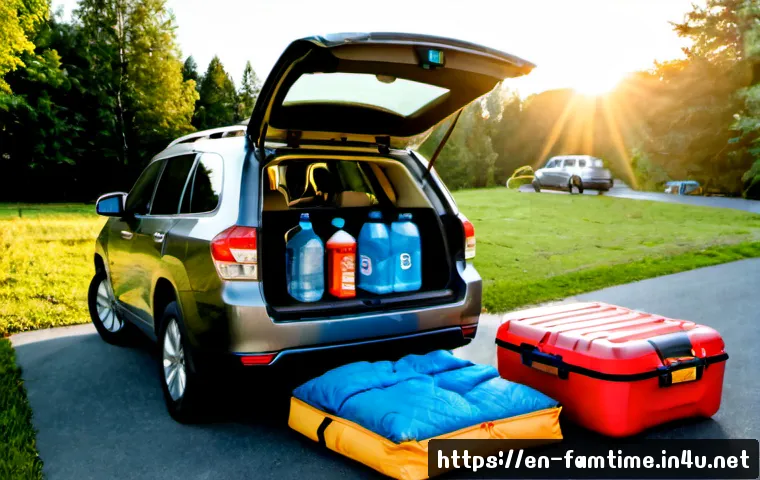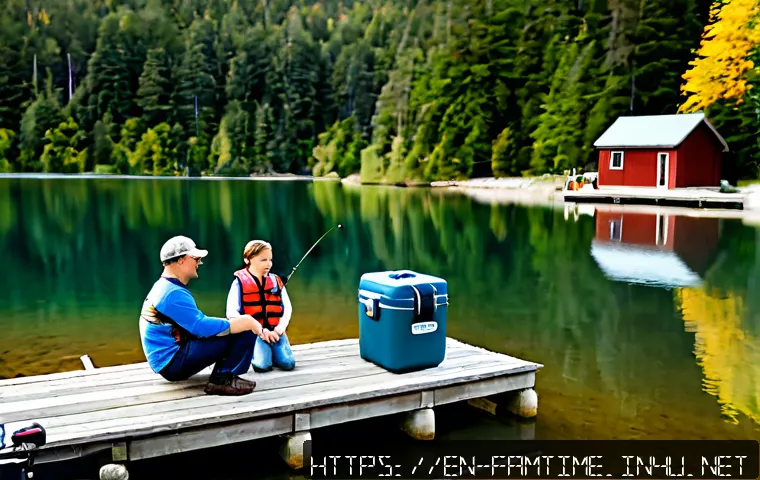
Plan a family fishing getaway with less guesswork. Compare shore fishing, boat charters, and guided trips; estimate key costs; choose kid-friendly locations; and use a practical safety and packing checklist.
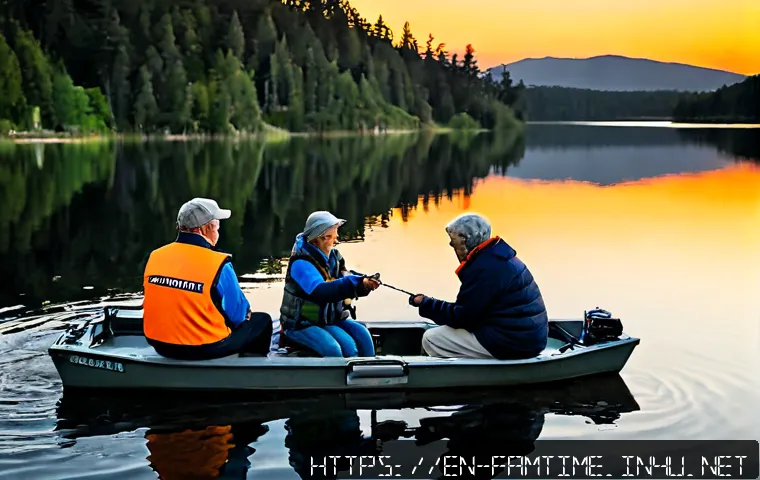
A relaxed family fishing getaway usually starts with shore, dock, or pier fishing; choose a guided trip when your group needs equipment, instruction, or efficient access to the water.
For young children and first-time anglers, a short outing at a calm, easy-to-reach location is often the simplest choice. Compare fishing licenses, gear rental, lodging, transportation, and guide or boat charter inclusions before committing.
The best option depends less on catching a certain fish and more on your family’s comfort, mobility, experience, and available time. A clear safety plan and a flexible weather backup can make the trip feel much easier.
At a Glance
- Choose shore, dock, or pier fishing for the lowest-effort family option with flexible arrival and departure times.
- Consider gear rental when you want to try fishing without buying, carrying, or storing equipment.
- Book a guided fishing trip or boat charter when local instruction, safety equipment, and efficient time on the water matter most.
| Trip Option | Best For | Cost Categories to Compare | Planning Effort |
|---|---|---|---|
| Shore, dock, or pier fishing | Young children, short outings, flexible schedules | Licenses or permits, parking, bait, simple tackle, local access fees if applicable | Low |
| Gear rental | First-time anglers who do not own equipment | Rental terms, bait, tackle condition, deposits, license requirements | Low to moderate |
| Boat rental | Families comfortable managing their own outing | Rental period, fuel, safety equipment, insurance terms, equipment, access rules | Moderate |
| Guided trip or charter | Beginners, mixed-experience groups, limited vacation time | Guide pricing, included tackle and bait, fuel, meals, cancellation coverage, license guidance | Low on the water; moderate before booking |
The Easiest Way to Plan a Relaxed Fishing Trip With Kids
The easiest plan is usually a short fishing outing at an accessible location. A shore, dock, pier, or stocked pond can reduce the pressure of managing a boat while giving children room to learn what fishing feels like. Before choosing a destination, check whether the fishing area has nearby parking, a safe walking route, shade, restrooms, and room for breaks.
Start with a short outing and an easy-to-reach fishing spot
Children do not need a full-day itinerary to enjoy a fishing trip. Pick a location where you can leave without difficulty if weather changes, someone gets tired, or conditions are not comfortable. An easy access point also helps grandparents and family members with limited mobility stay included rather than waiting far from the action.
Choose success measures beyond catching fish
A family trip goes better when catching fish is not the only goal. Let children help carry snacks, identify safe places to stand, practice casting in an open area, or watch the water. Weather, seasonal fish activity, water conditions, regulations, and crowds can all affect catch expectations. A calm, safe outing is still a successful outing.
Three quick recommendations by budget and experience level
- Simple and budget-focused: Choose shore or pier fishing, bring basic supplies, and confirm local license and access rules.
- Trying fishing for the first time: Look into fishing gear rental rather than buying a full setup before you know what your family will use.
- Limited time or mixed skills: Compare guided fishing trips that provide local instruction and may include basic tackle, bait, and safety equipment.
Compare Shore Fishing, Boat Rentals, and Guided Charters
There is no single best family fishing trip. The right choice comes down to cost, comfort, supervision needs, and how much planning your group wants to handle. Read the provider’s details carefully because rental and charter inclusions can differ.
Low-cost shore, dock, and pier options
Shore access, docks, and piers are often practical because they remove the need for a boat. They can also make it easier to take breaks, return to the car, or end the outing early. Still, do not assume access is free or unrestricted. Some waterways have permits, location-specific rules, or seasonal limits, so check the official local guidance before traveling.
When gear rental is more practical than buying equipment
Fishing gear rental can be a sensible option for a one-time getaway, a fly-in trip, or a family that does not want rods and tackle stored at home. Ask what the rental includes. Basic tackle, bait, replacement policies, deposit requirements, and available rod sizes may vary. For children, make sure the equipment is manageable rather than choosing a larger setup designed for experienced anglers.
When a family fishing guide is worth the added cost
A family fishing guide may be worth considering when no one in the group knows the local water, when boat access is important, or when your available fishing time is short. Guides may provide tackle, bait, safety equipment, and local instruction, but this is not automatic. Compare guided fishing trip pricing alongside the actual inclusions, meeting point, trip length, weather policy, and cancellation terms.
Cost categories to check before booking
Build your plan around essentials first: licenses or permits, transportation, lodging, access, bait, and basic equipment. Then compare convenience upgrades such as gear rental, a boat rental, a guide, meals, or family-friendly lodging close to the fishing area. Confirm whether fuel, insurance, safety equipment, and cancellation coverage are included or charged separately.
Build a Safe, Family-Friendly Fishing Plan
Safety starts before the first cast. A family fishing plan should match the location to the youngest or least mobile person in the group, not just the most experienced angler. Review conditions again on the day of the trip, especially if boating or visiting deep or fast-moving water.
Check licenses, local regulations, and access rules first
Fishing license requirements, age exemptions, permits, and catch rules vary by state, province, country, and specific waterway. Catch limits, protected species rules, and catch-and-release handling requirements may apply even during a brief recreational trip. Check official local regulations for your destination rather than relying on a general travel guide or another visitor’s experience.
Pick calm water, shade, restrooms, and nearby parking
For a low-stress outing, prioritize basic comfort. Calm water, clear boundaries, shade, restrooms, and nearby parking can matter more to a family than a remote fishing spot. Look at access photos and maps carefully, but verify current conditions directly with the venue, marina, guide, or local authority.
Pack life jackets, sun protection, snacks, and simple tackle
Children should wear properly fitted personal flotation devices when boating or near deep or fast-moving water. Bring sun protection, drinking water, snacks, weather-appropriate layers, and a small first-aid kit. Keep tackle simple, organize hooks securely, and avoid bringing more gear than the family can safely manage.
Avoid common mistakes with hooks, weather, and overlong trips
Keep hooks covered or stored when they are not in use, and give each person enough space before casting. Do not treat a booking as a promise that conditions will cooperate: weather, water hazards, fish activity, and crowd levels can change. Have a clear stopping point, especially when children are cold, tired, hungry, or losing interest.
Match the Trip to Your Family’s Needs
A good family fishing getaway is tailored to the people going, not to the most ambitious itinerary. Think about age, confidence around water, mobility, attention span, and who will handle gear, transport, and safety checks.
Best approach for young children and first-time anglers

Choose a short, shore-based outing with easy parking and simple equipment. A dock, pier, or stocked pond may feel more manageable than open-water fishing. Set expectations around learning, watching, and spending time outdoors, and keep a flexible exit plan.
Options for teens who want more active fishing
Teens may enjoy a trip with more movement, more casting space, or local instruction. A guided outing can reduce guesswork for a family that wants to try a new type of fishing without navigating unfamiliar water alone. Check the guide’s approach to beginners and whether the trip format suits your group’s pace.
Planning for grandparents and mixed-mobility groups
For multigenerational travel, select family-friendly lodging and fishing access that limit long walks and complicated transfers. A nearby shore location may work better than a boat trip for some groups. If boating is part of the plan, confirm boarding conditions, seating, restroom availability, safety procedures, and the route from parking to the departure point.
Rain plans and alternatives when conditions change
Weather can alter both comfort and fishing conditions. Before leaving home, decide what happens if rain, wind, unsafe water conditions, or poor access disrupts the plan. Your backup might be a shorter shore visit, a local indoor activity, or simply moving the fishing session to another part of the trip if your reservation terms allow it.
Choose the Right Option: Value, Convenience, and Cost Summary
Choose shore fishing when simplicity and flexibility matter most
Shore fishing is usually the strongest starting point when the priority is a relaxed schedule, easy breaks, and low equipment needs. It works especially well for families with young children, first-time anglers, or travelers who want fishing to be one part of a wider vacation.
Choose rentals when you want to try fishing without storing gear
Rentals can offer a middle ground between a minimal shore visit and a fully guided experience. They are useful when you want equipment without the commitment of purchasing it. Confirm what is included, what happens if equipment is damaged, and whether the rental setup is suitable for each person in your group.
Choose a guide when instruction, boat access, and time efficiency matter
A guided trip can be a practical convenience purchase for beginners or travelers visiting unfamiliar water. It may reduce the time spent figuring out tackle, access, and local techniques. Compare family guide options based on experience level, safety procedures, boat capacity, included equipment, and cancellation terms rather than price alone.
Final booking checklist for lodging, transportation, and cancellation terms
Before booking, confirm the fishing location’s access rules, license needs, family lodging distance, transportation plan, parking, equipment inclusions, weather policy, and cancellation coverage. Keep copies of booking details and official regulation information with your travel documents. Small checks before departure can prevent the most frustrating surprises at the water.
Selection Criteria and Comparison Summary
Use these final checks before choosing: Who needs the easiest access? Does everyone need equipment? Are licenses or permits required? What safety equipment is included? What happens if weather changes? How close is the lodging to the fishing area? Compare local guides, gear rentals, boat rentals, and family-friendly lodging by reviewing their official details and full booking conditions.
Final Thoughts
The best family fishing trip is one that feels manageable from start to finish. Start with an accessible setting, keep the schedule realistic, and make safety and comfort part of the plan rather than an afterthought. Shore fishing can be enough for a memorable first experience, while rental equipment and guided trips can add convenience when the situation calls for them. Check local rules and provider details close to your travel date, since conditions and requirements can change.
Helpful Things to Know
1. License and permit rules may differ by location and waterway.
2. Charter, guide, and rental inclusions are not always the same.
3. Catch expectations depend on weather, season, water conditions, and regulations.
4. Properly fitted personal flotation devices are important around boats and deep or fast-moving water.
5. A nearby restroom, shade, and parking can be more valuable to a family than a more remote fishing spot.
Important Notes
Exact fishing license fees, age exemptions, rental rates, charter pricing, access conditions, and available services depend on the destination and provider. Confirm current regulations through official local sources and verify the details of any lodge, marina, guide, boat rental, or equipment rental before payment. Weather, water conditions, fish activity, hazards, and crowd levels cannot be guaranteed in advance.
Frequently Asked Questions
Q1. How much should a family budget for a fishing trip?
A1. Start by listing essential costs: licenses or permits, transportation, lodging, access, bait, and basic tackle. Then add optional convenience costs such as gear rental, a boat rental, or a guided fishing trip. Exact prices vary by destination, provider, travel dates, and what is included.
Q2. Is a guided fishing trip worth it for children and first-time anglers?
A2. It can be worthwhile when your family wants local instruction, boat access, and less uncertainty about equipment and fishing locations. Check whether basic tackle, bait, safety equipment, licenses, meals, fuel, and cancellation coverage are included, because guide services differ.
Q3. What is the safest type of fishing trip for a family with young kids?
A3. A short outing at a calm, easy-to-reach shore, dock, pier, or stocked pond is often the simplest starting point. Choose a location with clear access, nearby amenities, and room to step away when needed. When boating or near deep or fast-moving water, children should wear properly fitted personal flotation devices.